The Perro Lobo Español

The Lobero

Definition

A functional population,
not a fashion

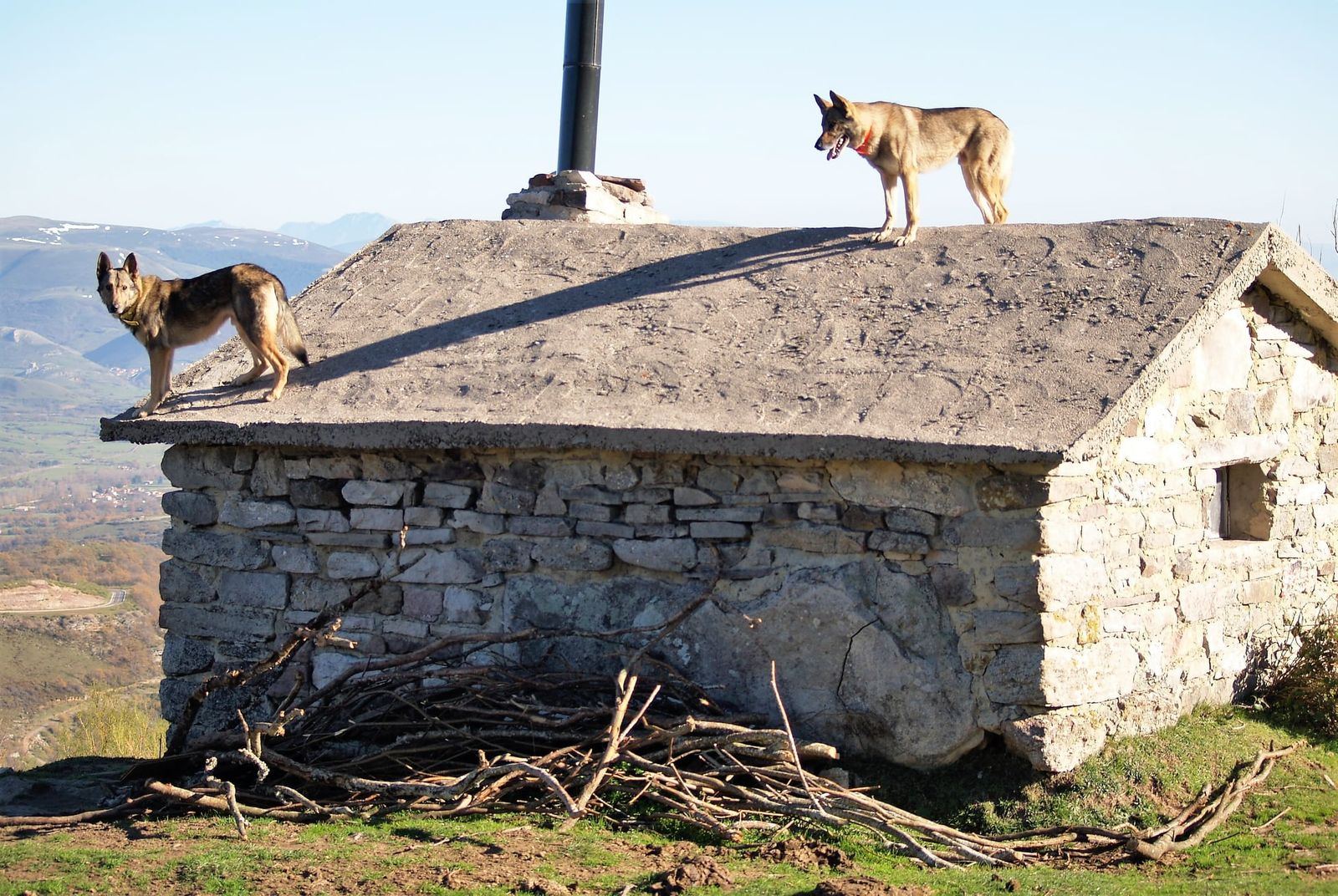
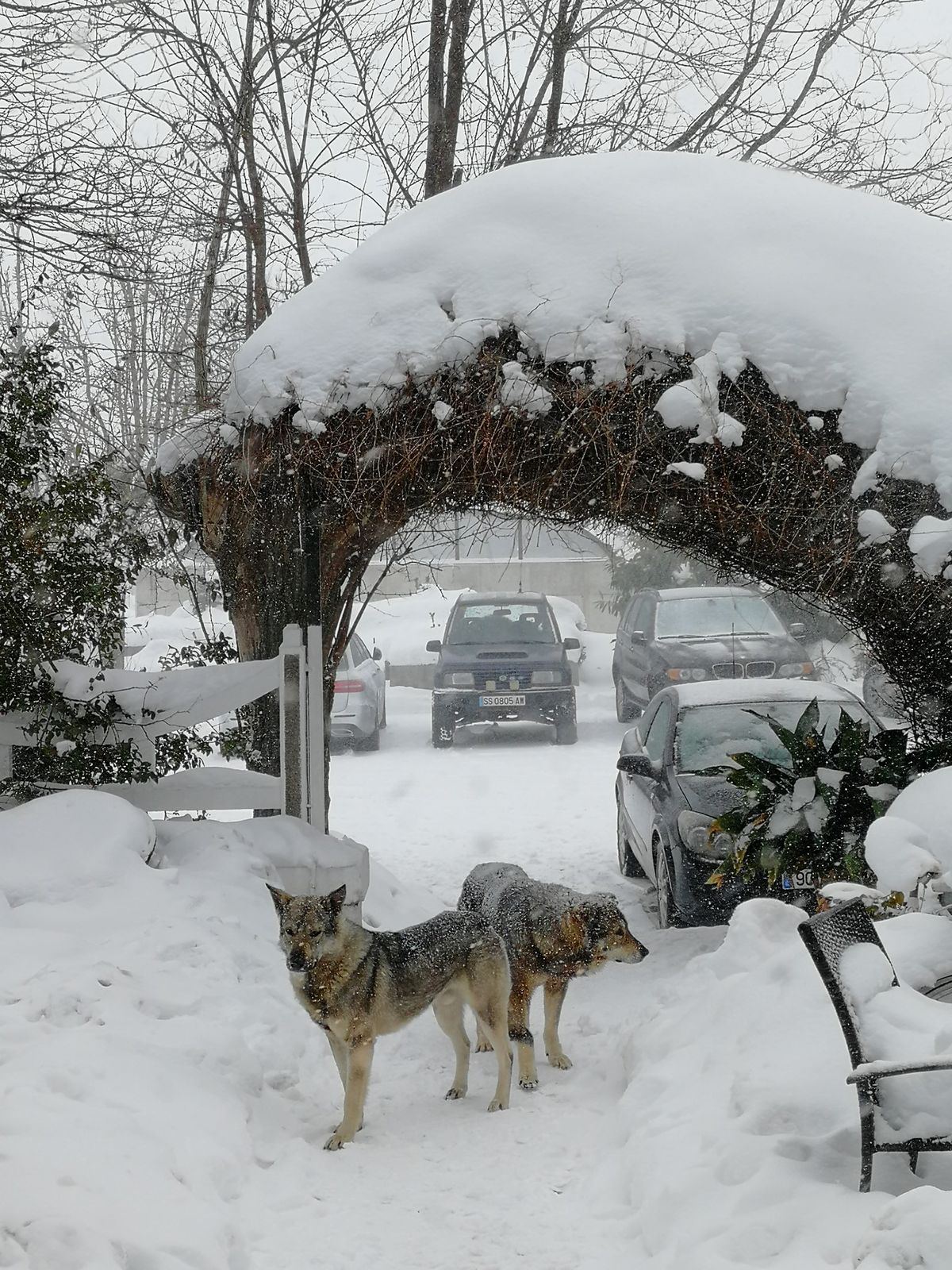
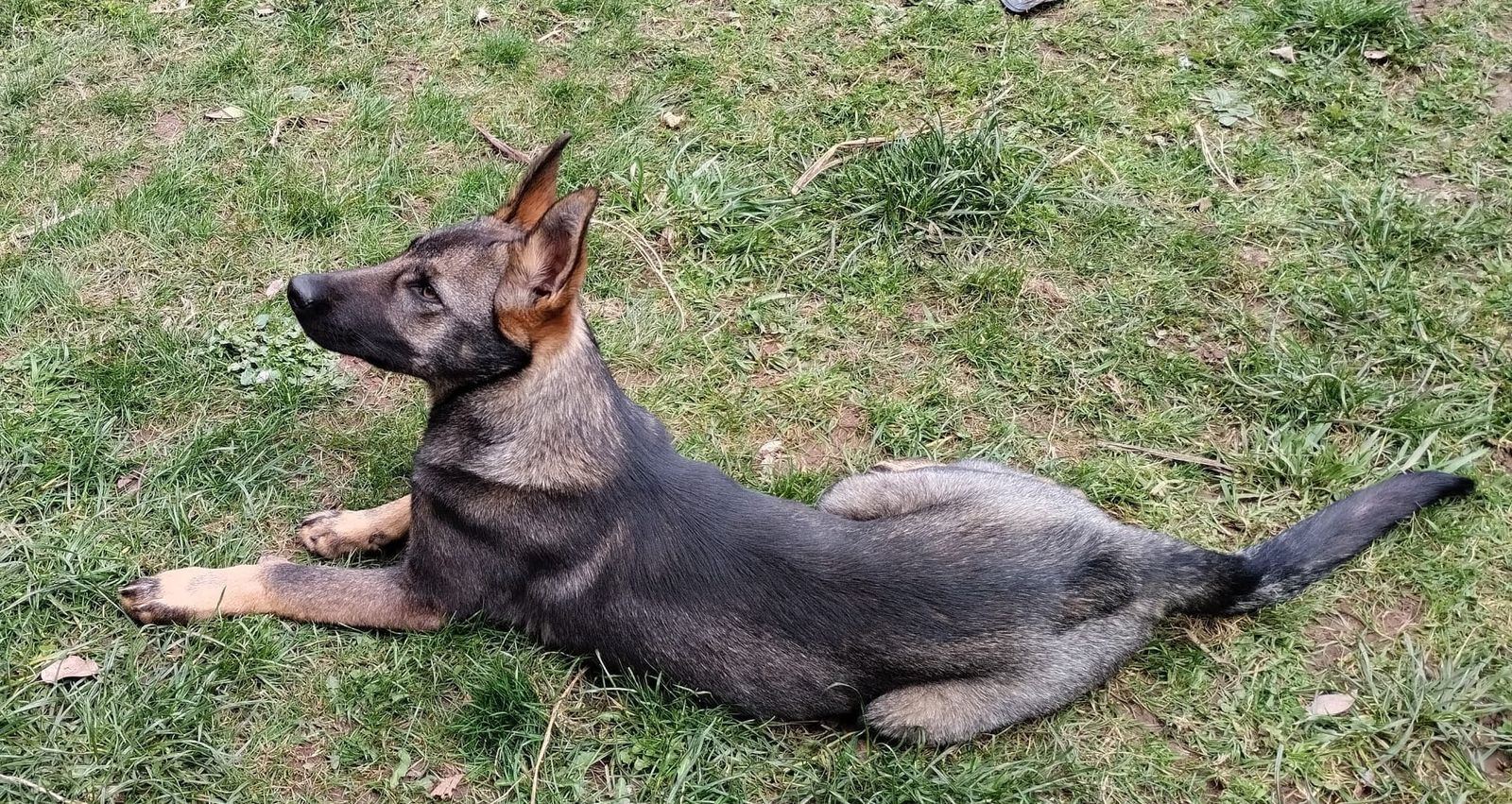
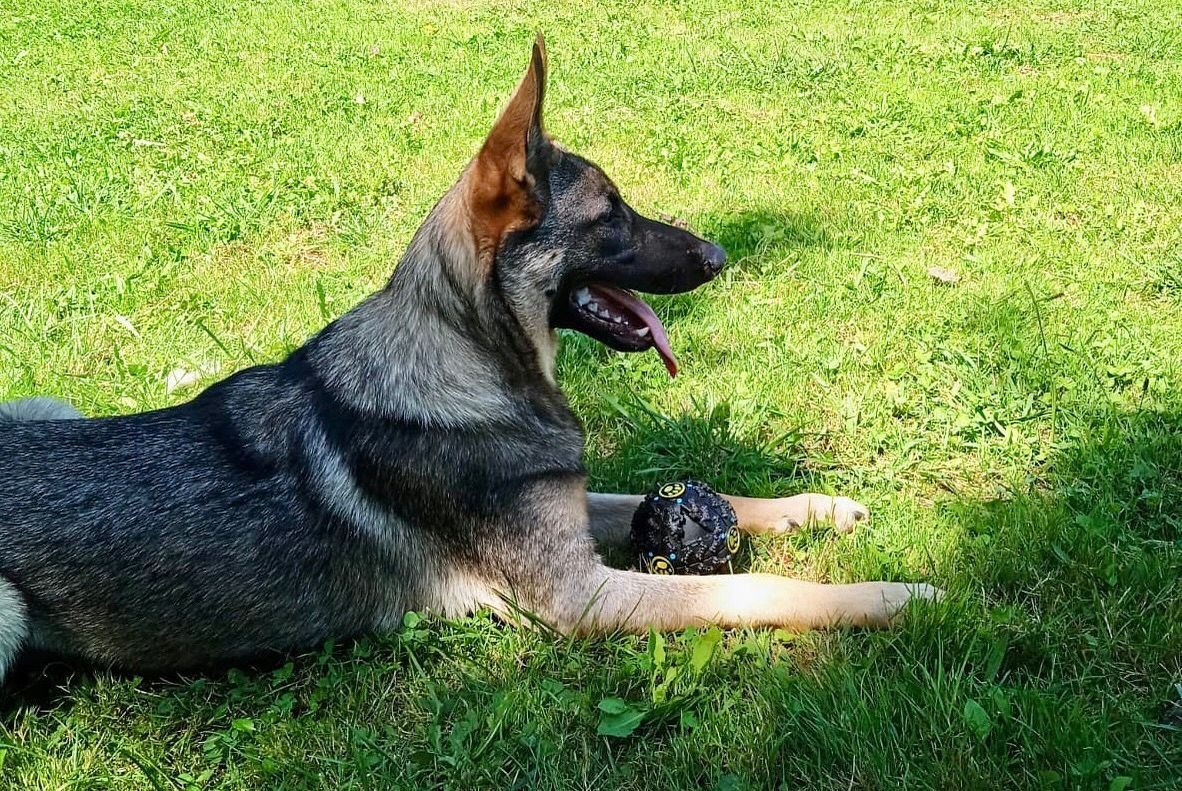
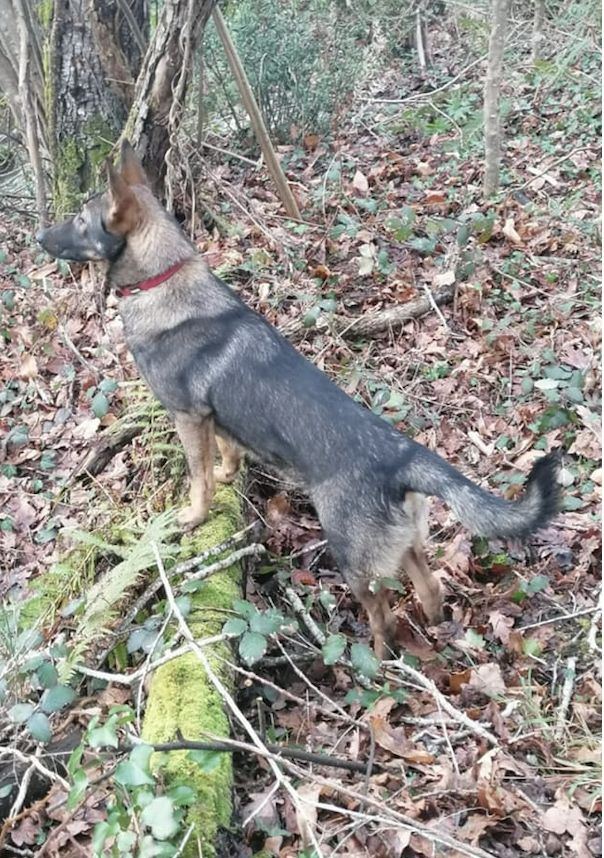
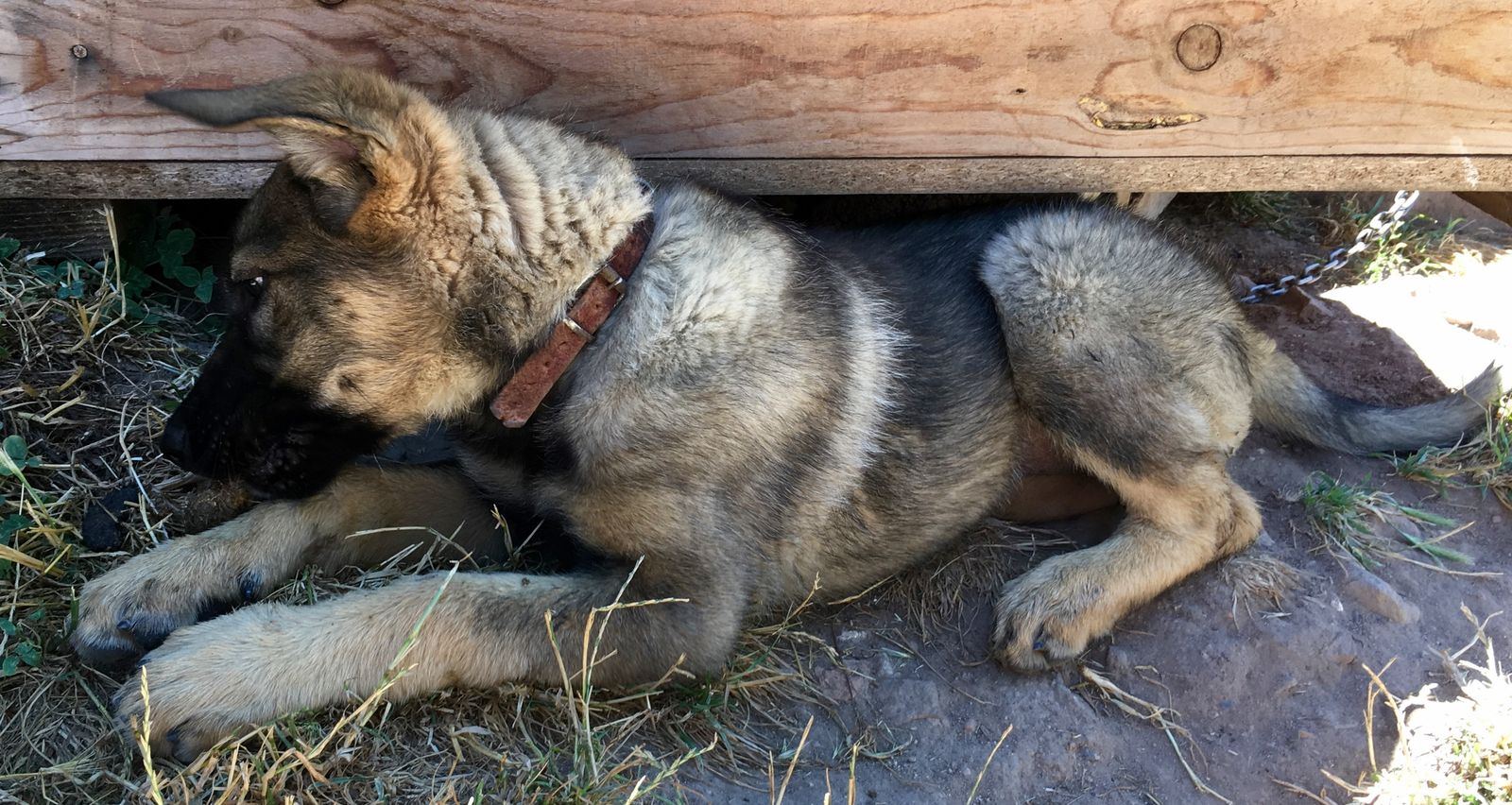
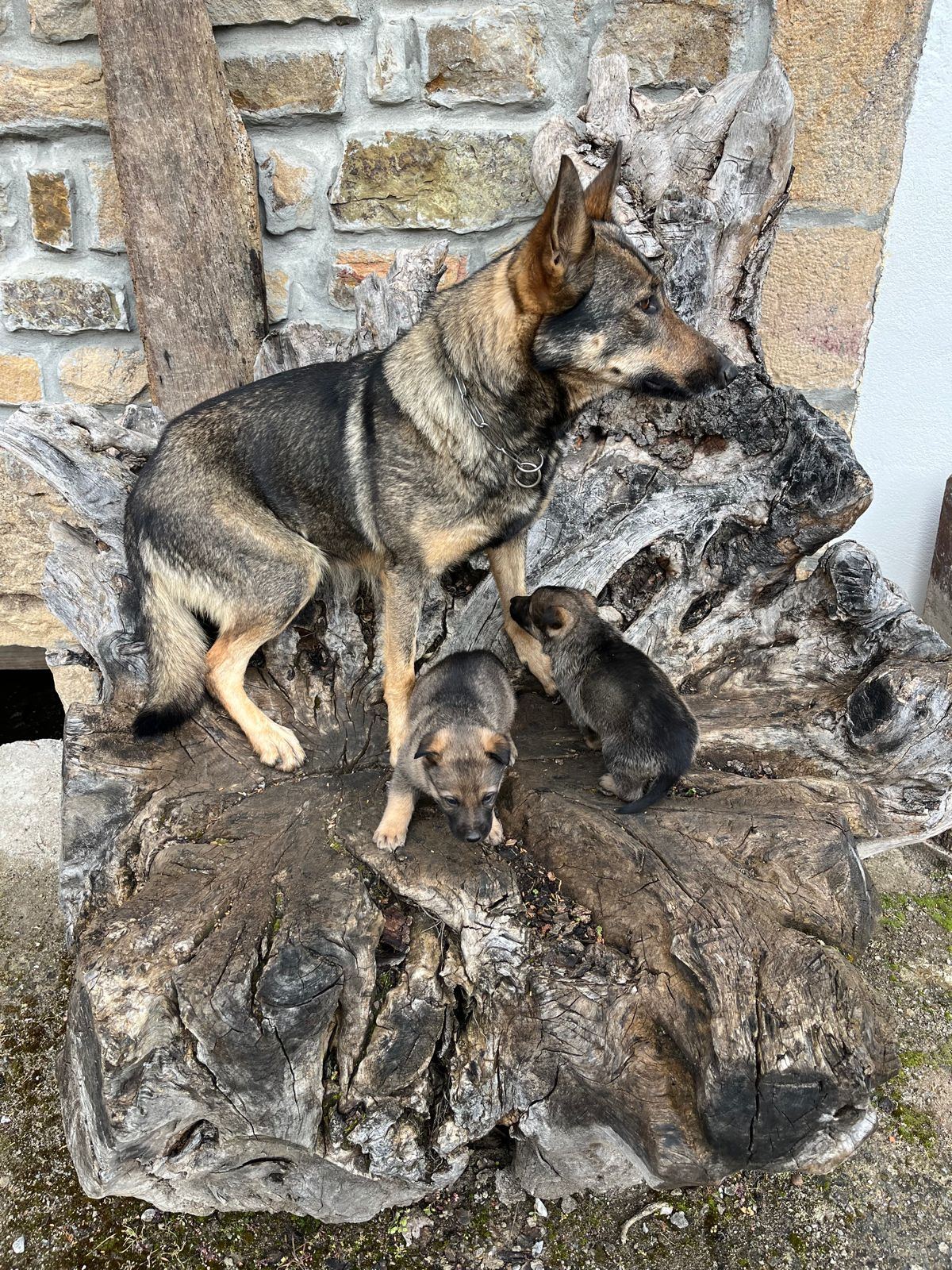
The lobero, now officially named the Perro Lobo Español (PLE), is not a breed in the modern sense of the word, but a traditional functional population, shaped by natural and human selection in the rural environment of the Iberian Peninsula. Its definition rests not on aesthetic uniformity but on functional coherence.

A lobero is a wolf-like dog which, bred and kept in rural settings, consistently shows aptitude for guarding the territory, defending its surroundings and living autonomously in the open. Its worth lies not in beauty —which it has— but in the balance between character, endurance and usefulness.

The lobero was not created to please the eye, but to serve without question, to watch without rest. Hence its morphological sobriety, its reserved character and its strong bond to the territory it considers its own and, especially, to its owner.

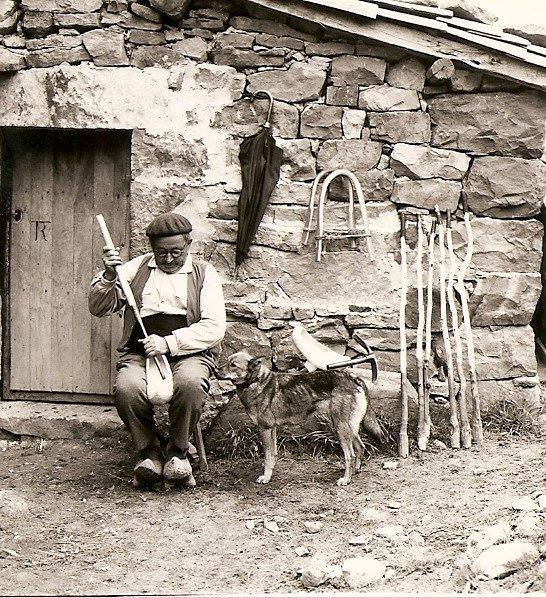
For generations, the lobero has accompanied rural people as a guardian, sentinel and deterring presence, blending into the land as naturally as the stone walls, the old paths or the mountain pastures. Its appearance, character and behaviour answer an ancestral logic: to endure, to watch and to remain.
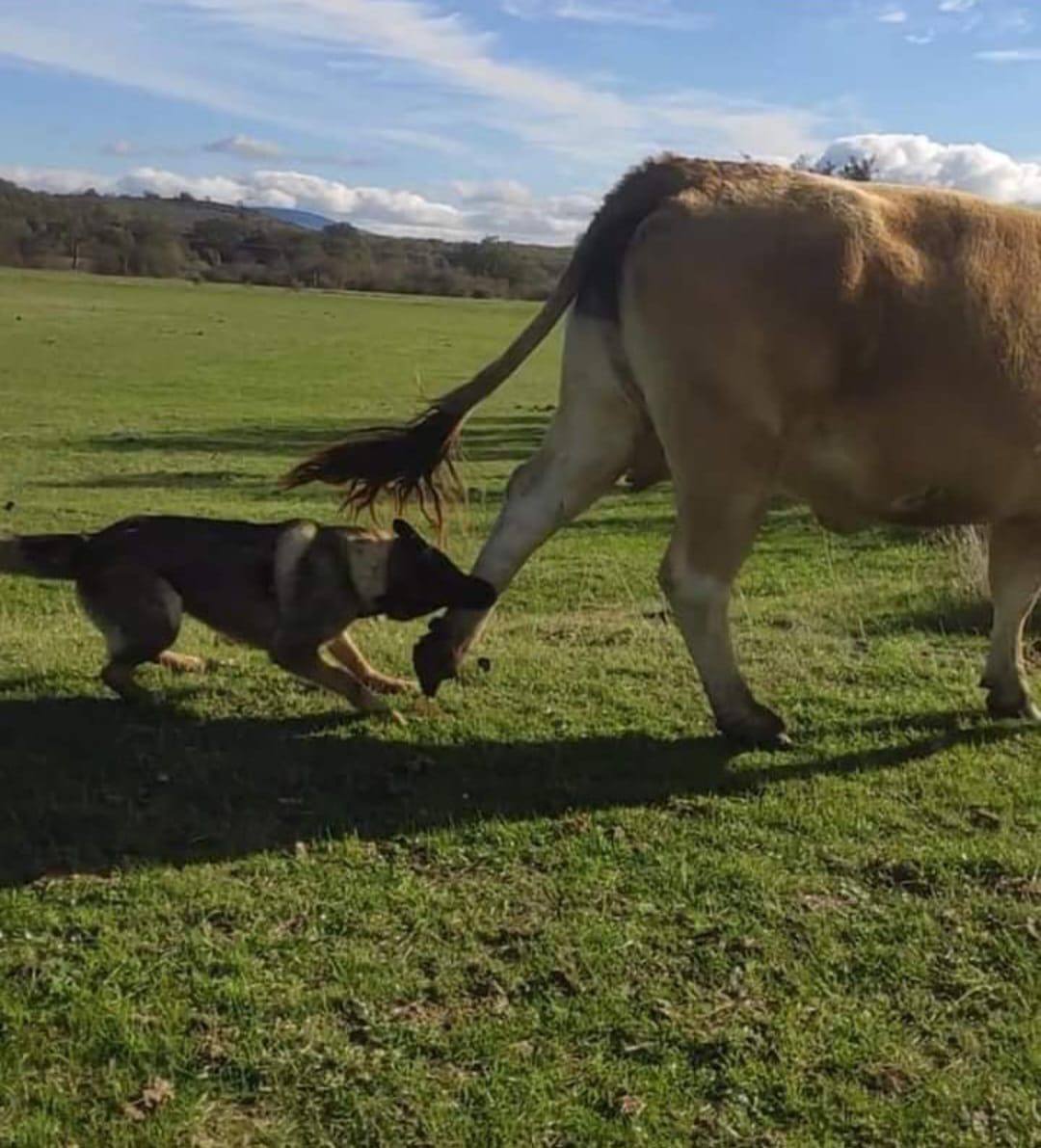
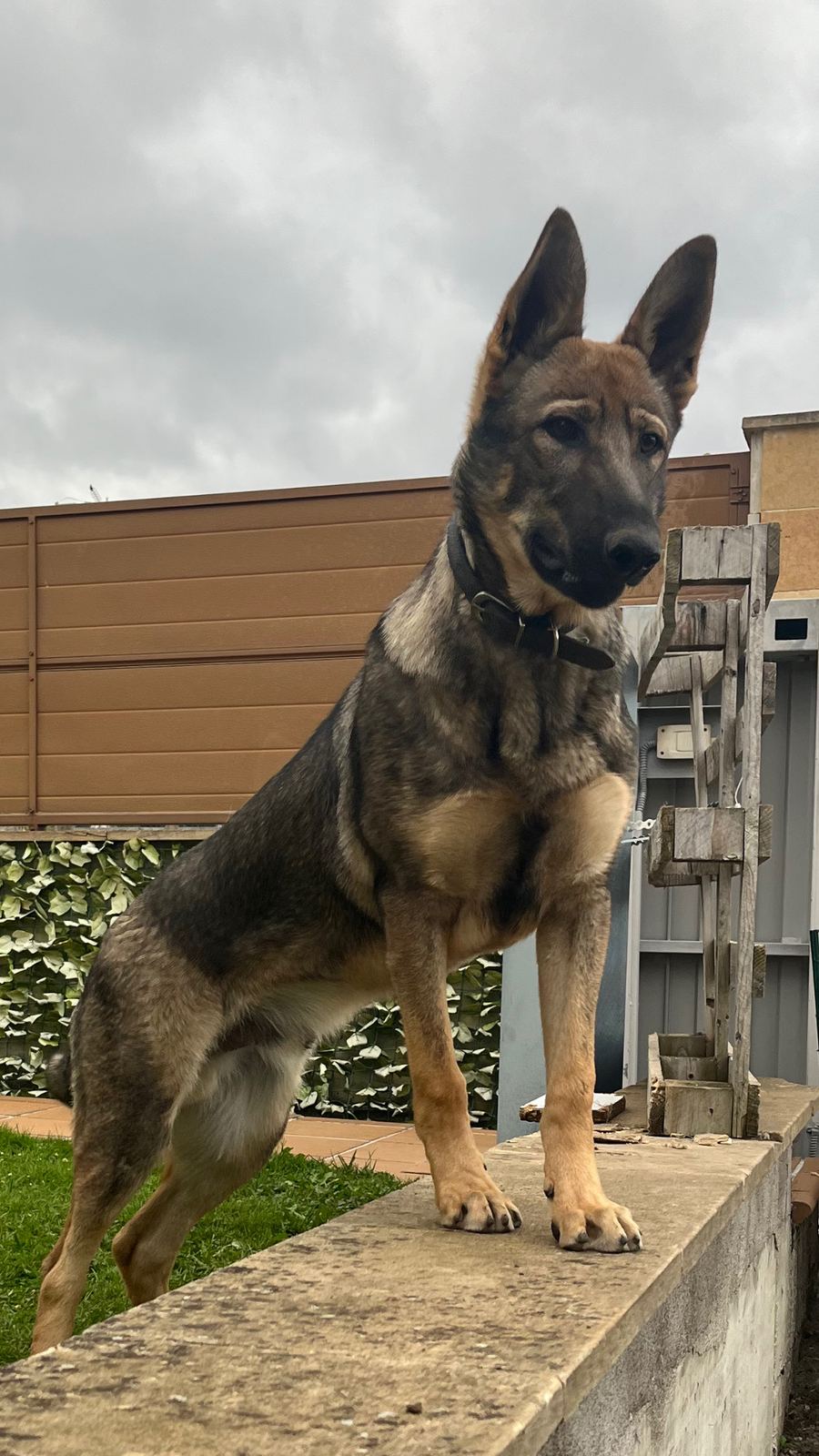
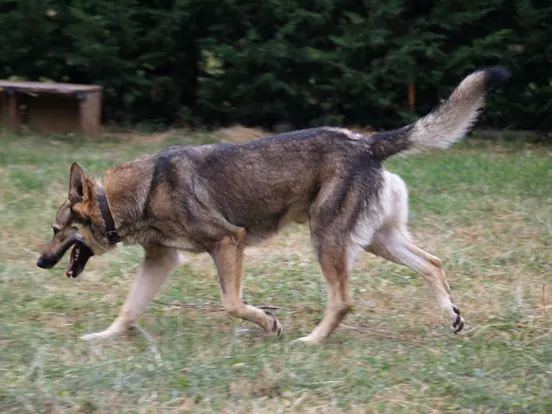
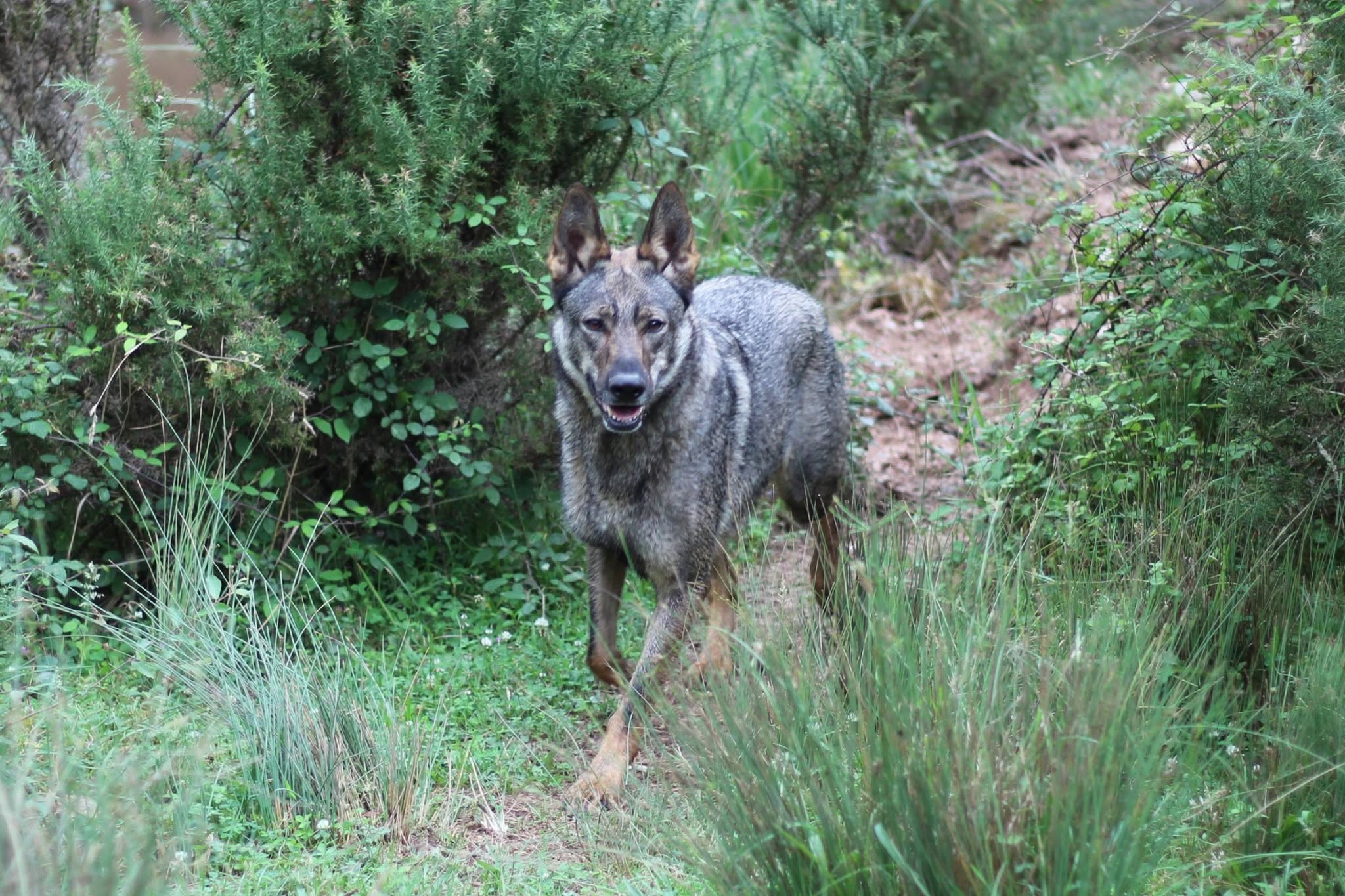
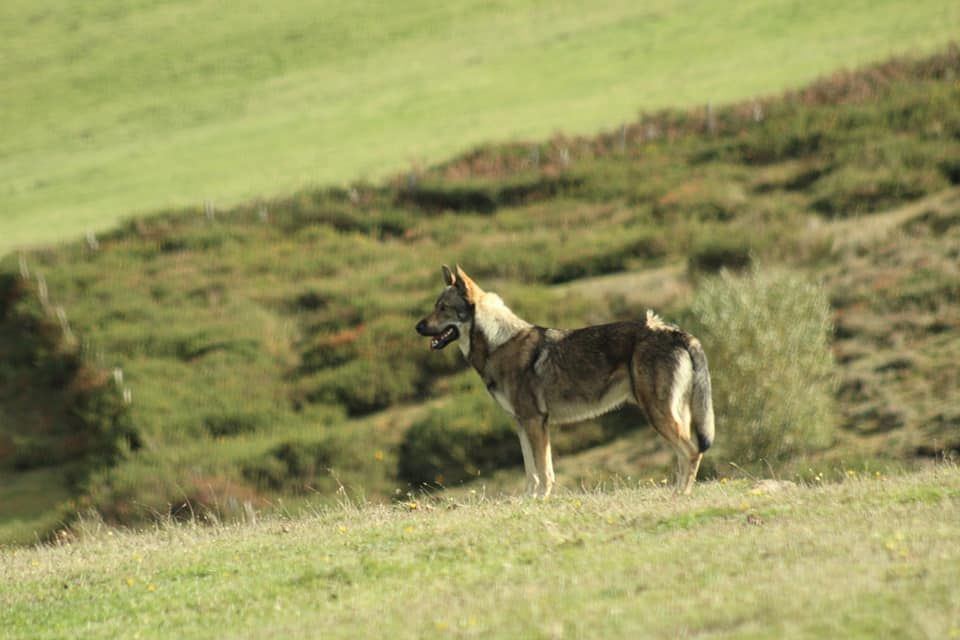
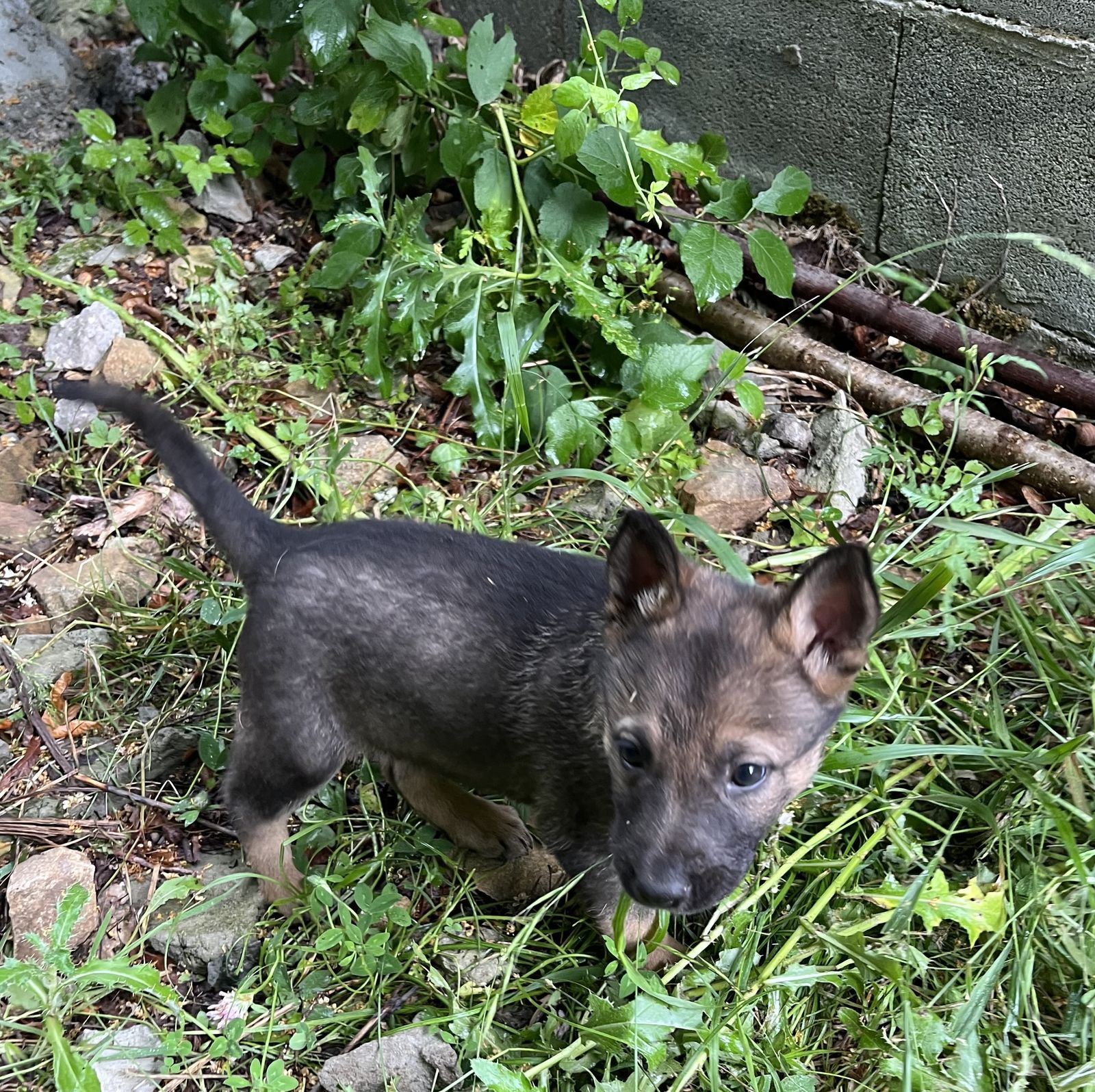
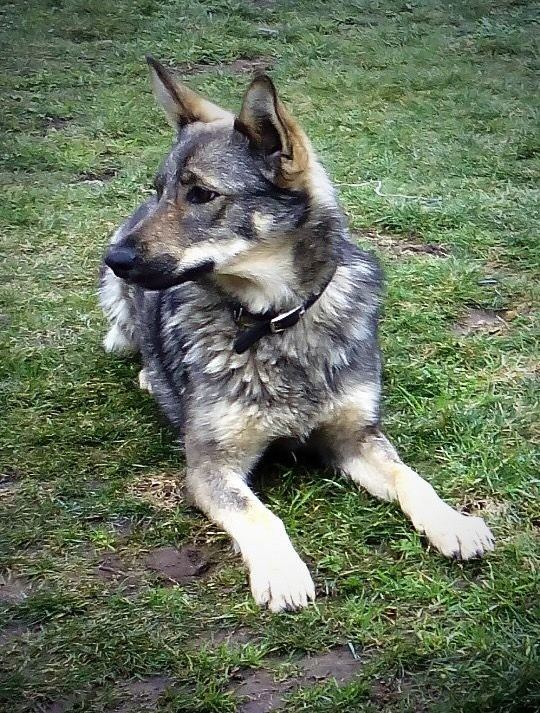
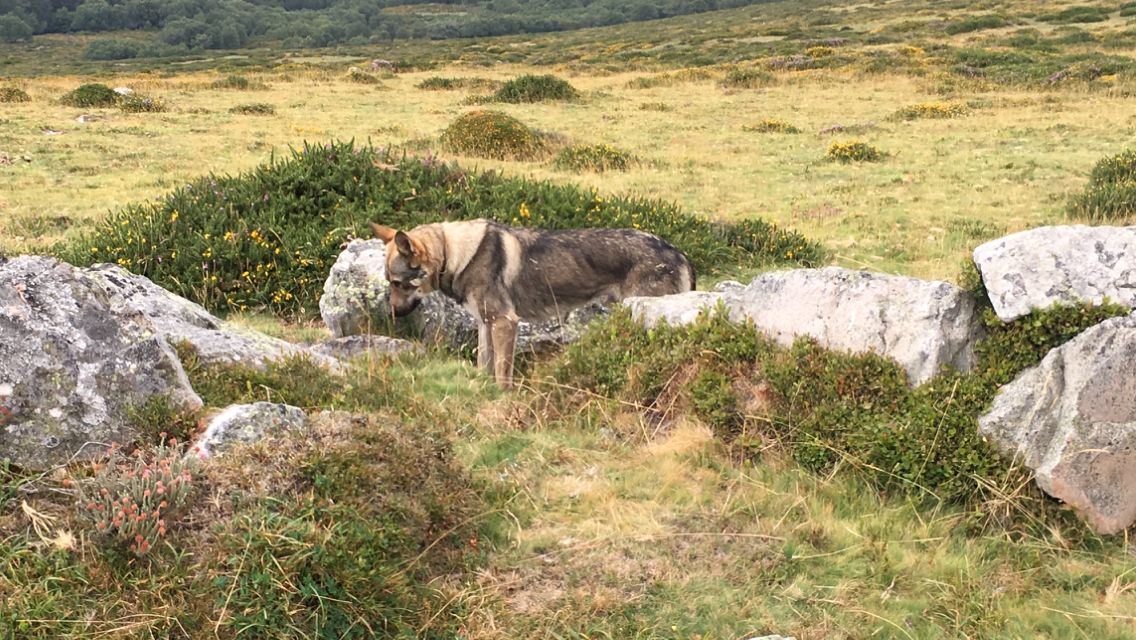
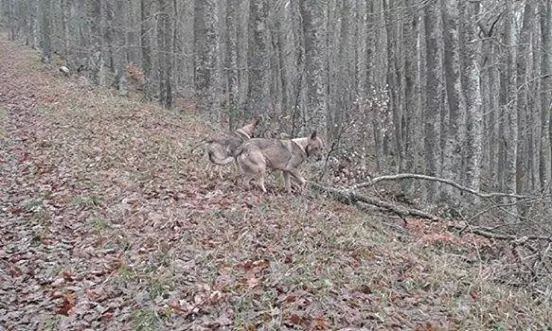
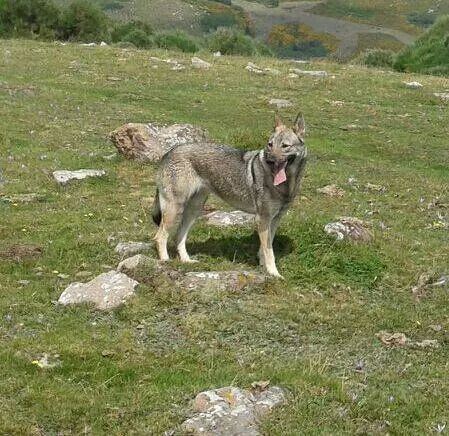
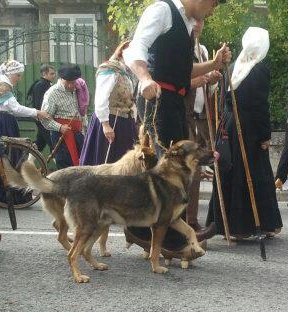
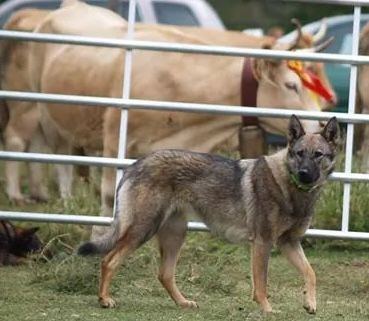
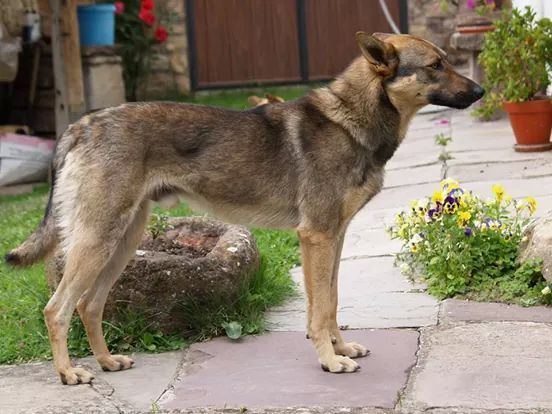
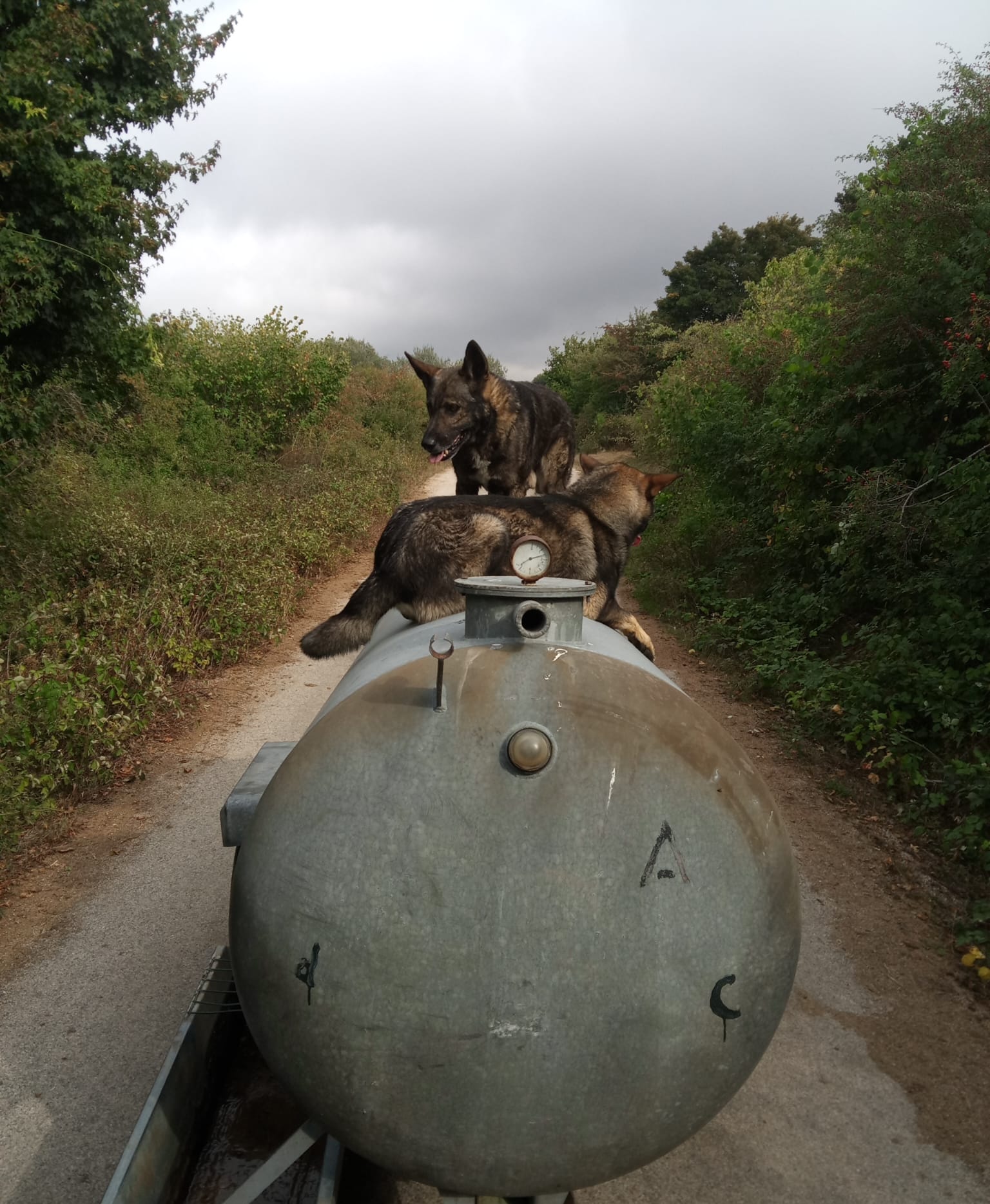
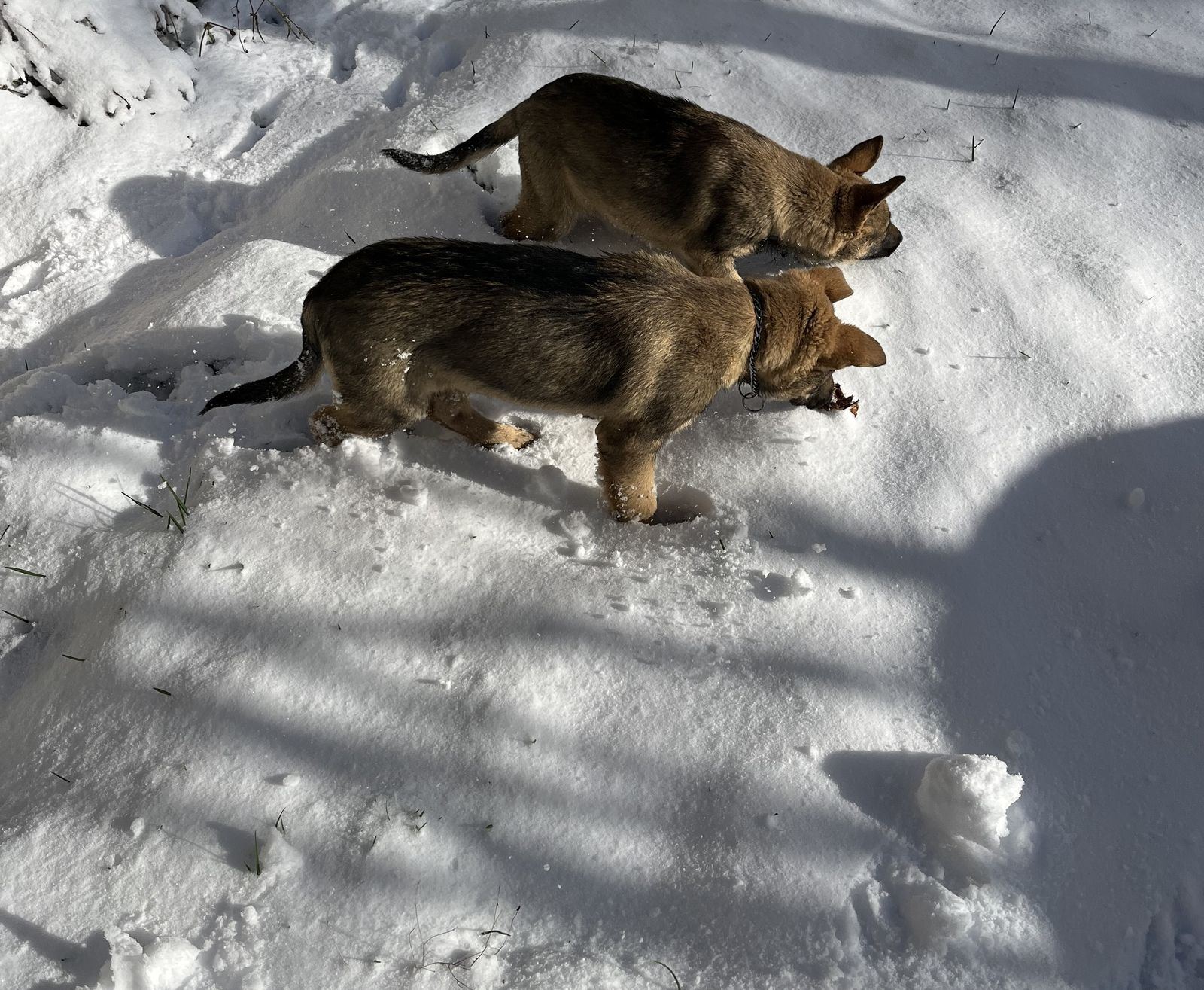
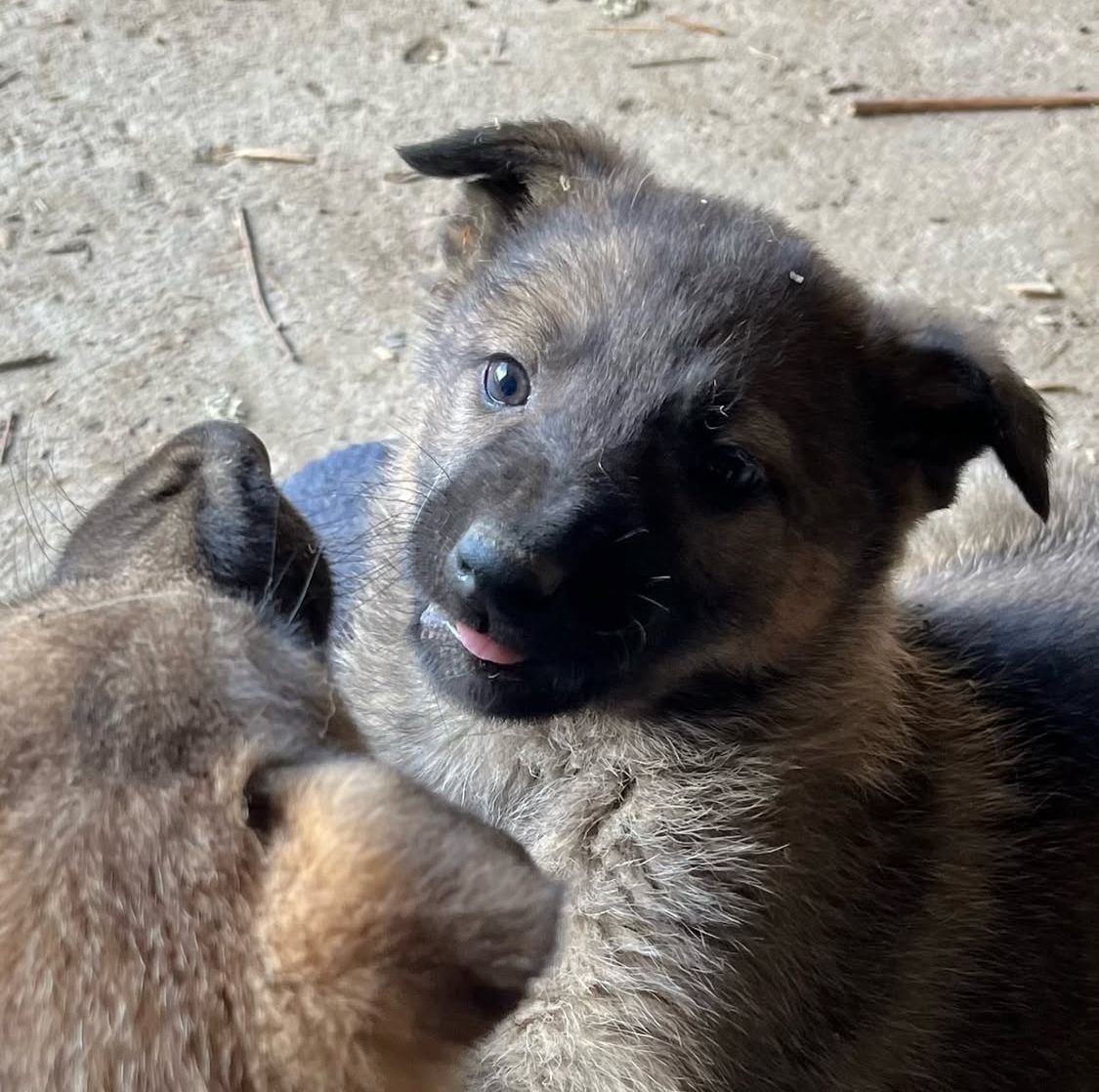
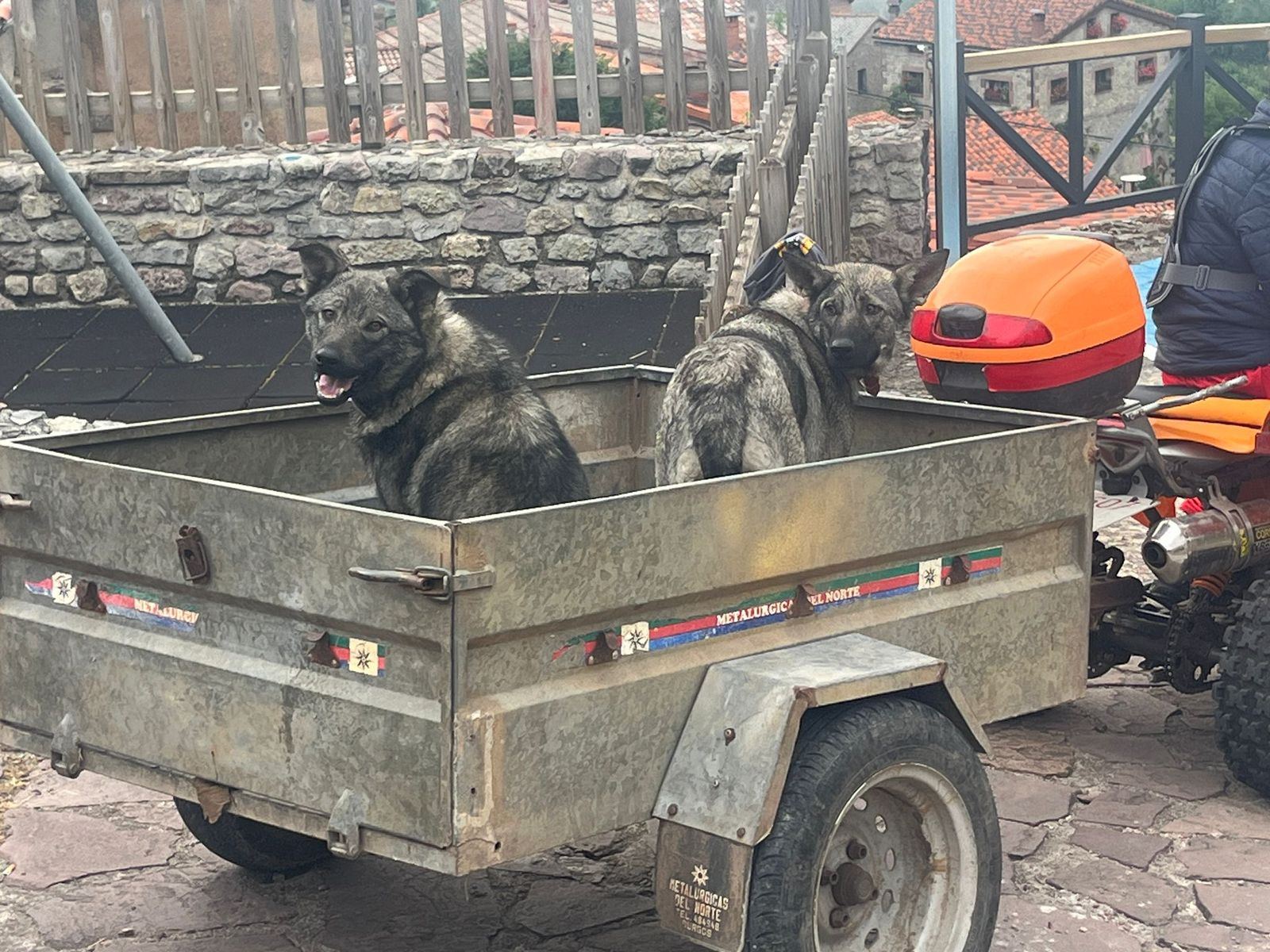
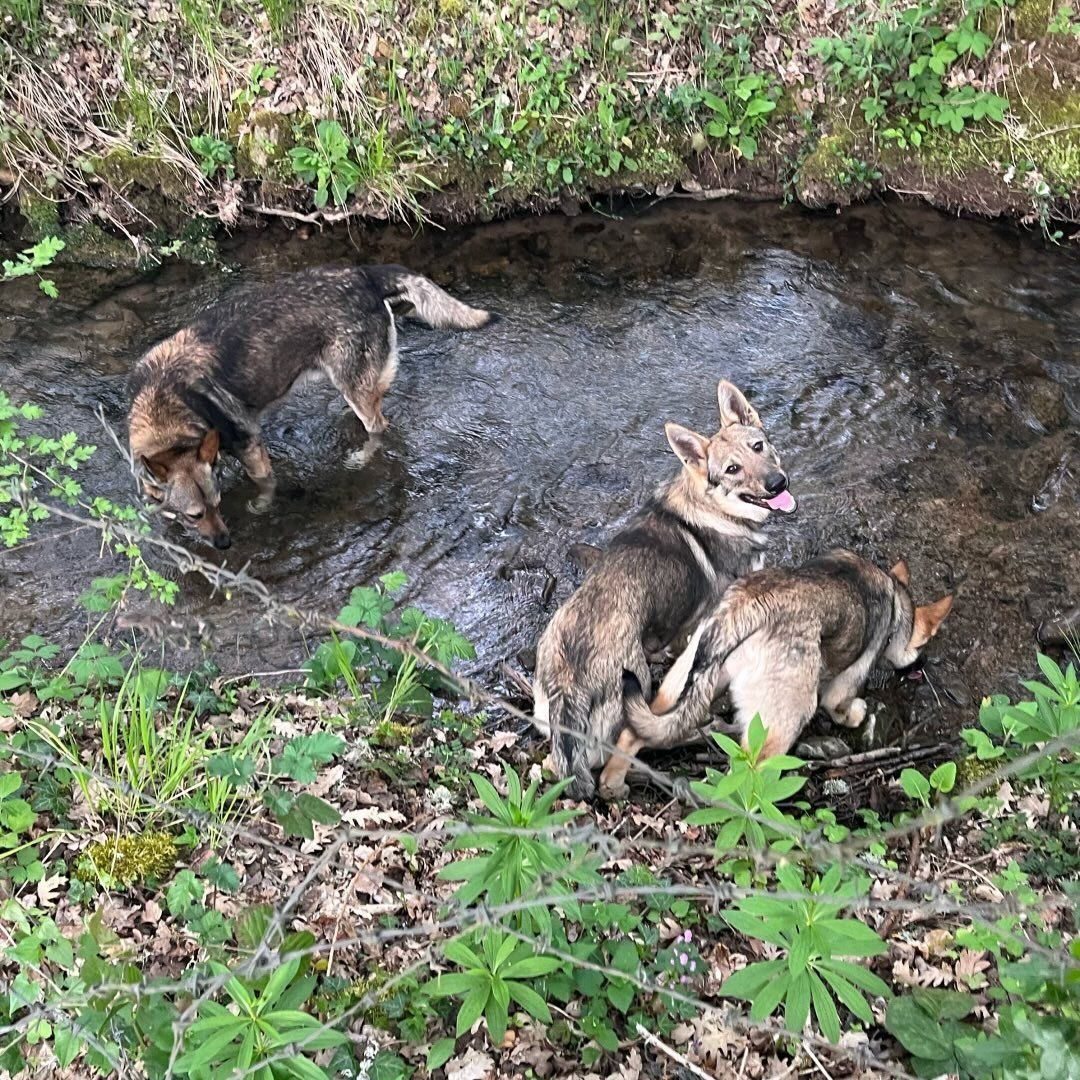
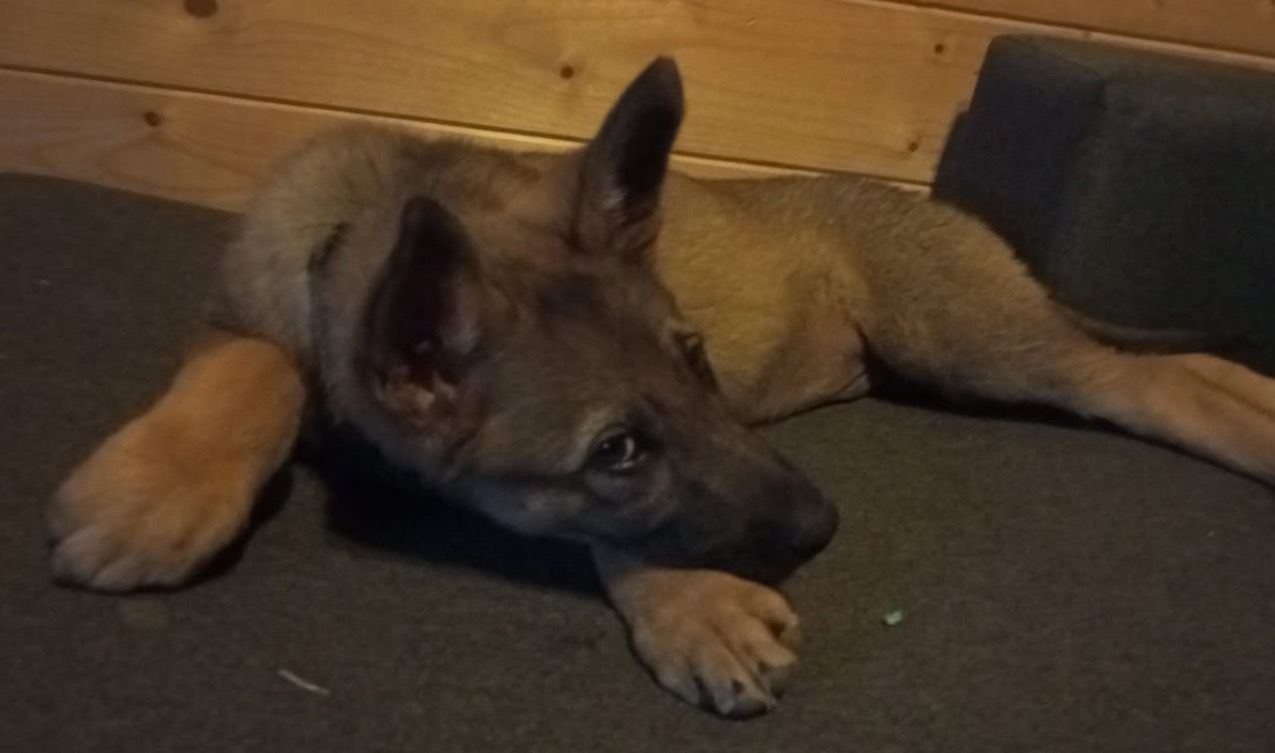
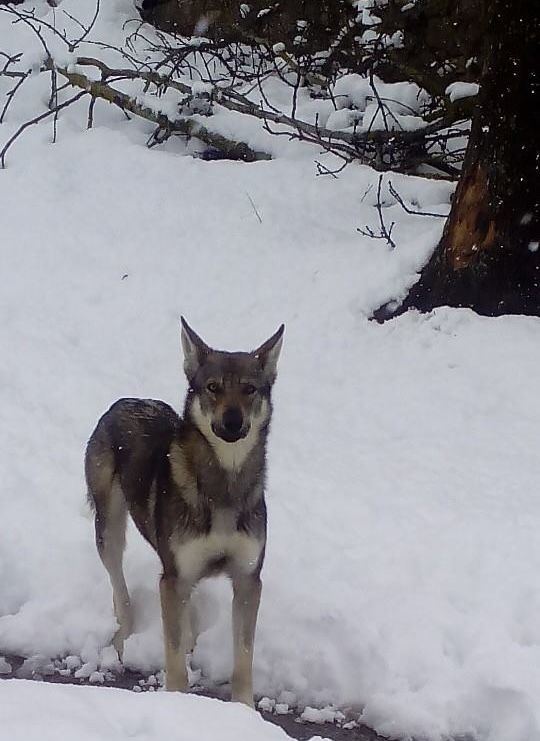
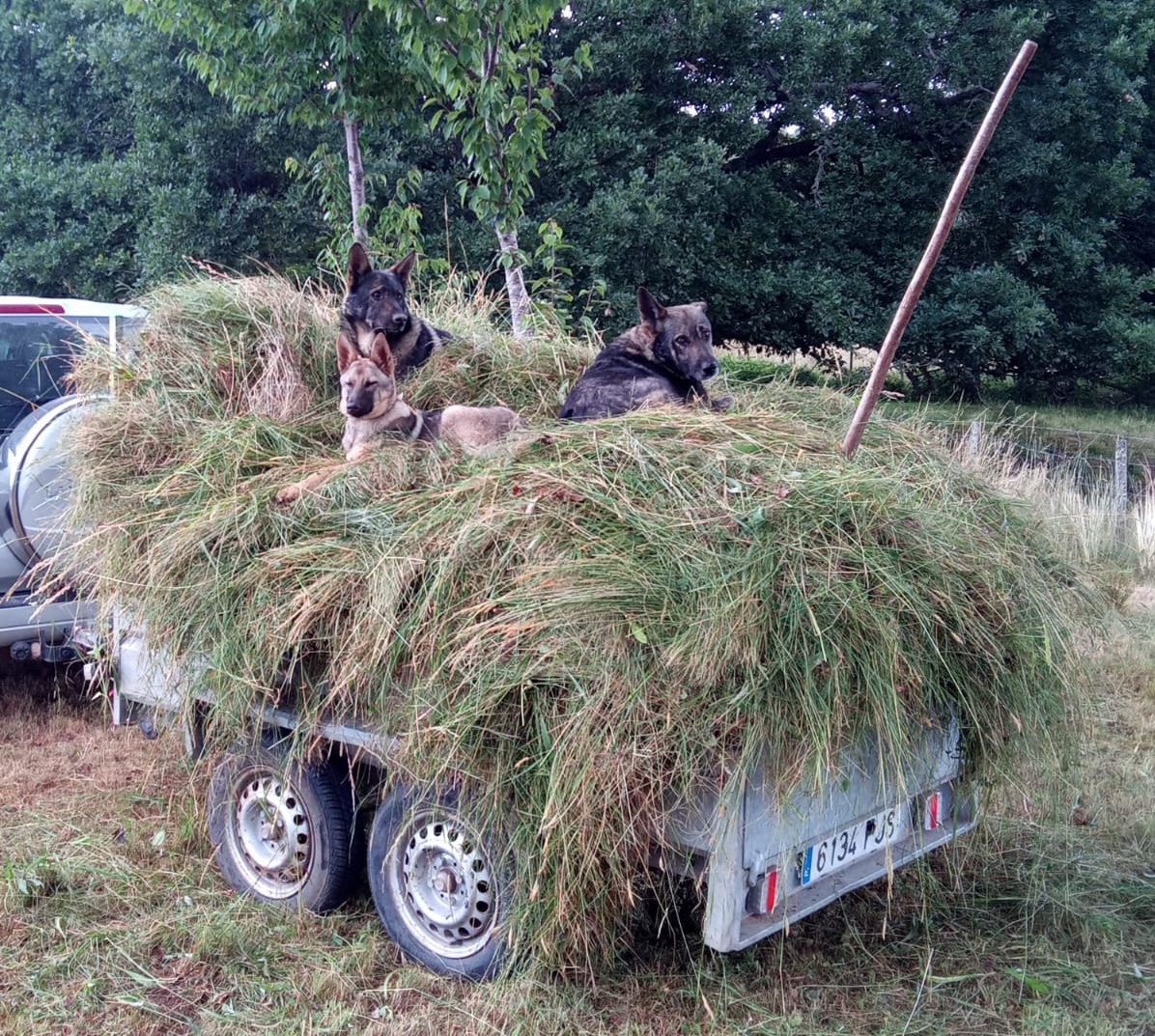
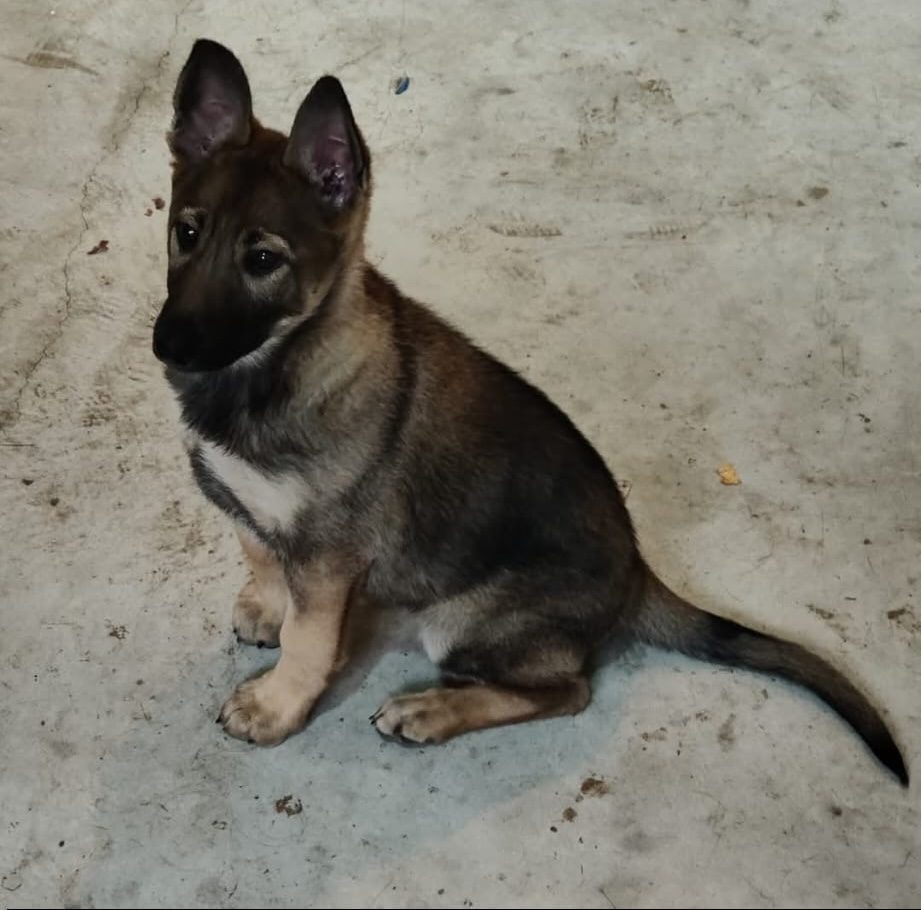
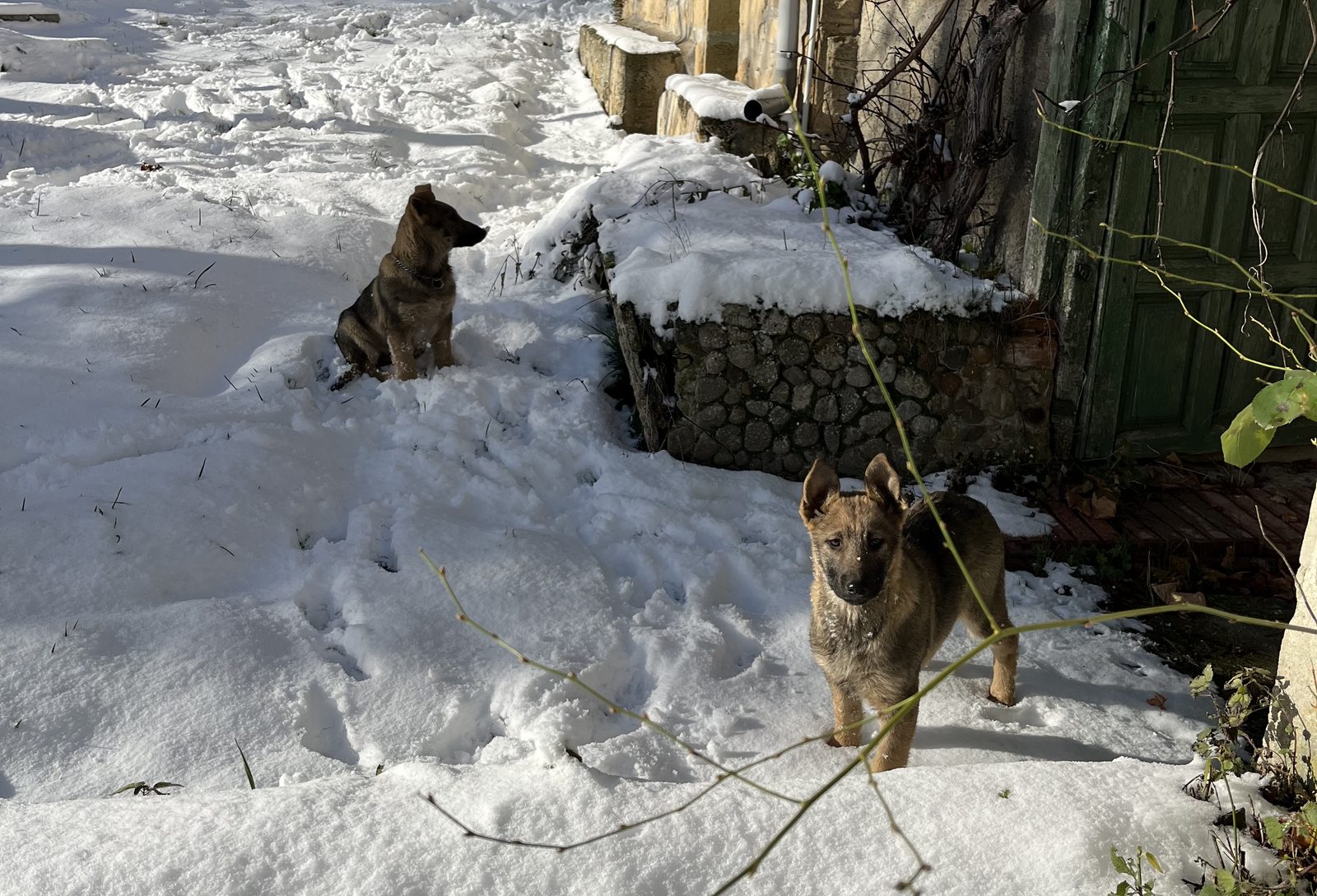
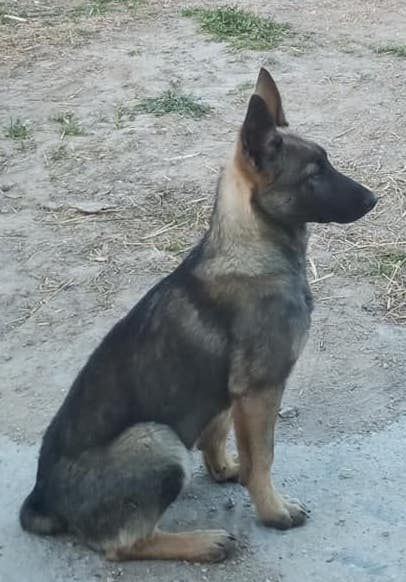
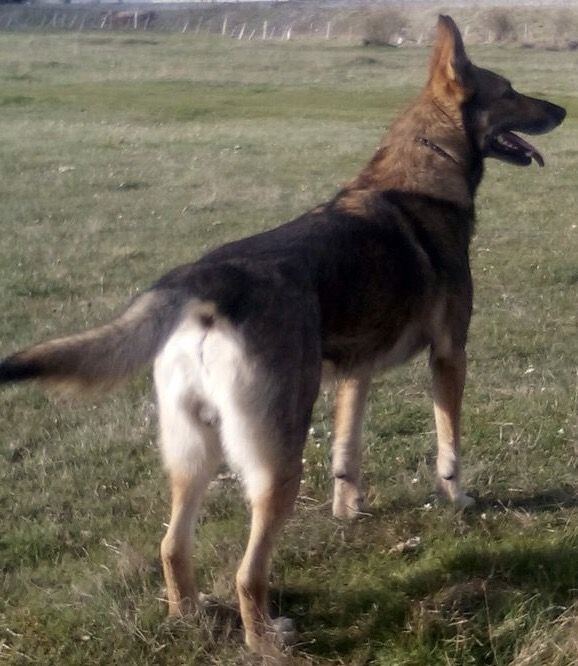
Perro Lobo Español (Spanish Wolfdog)

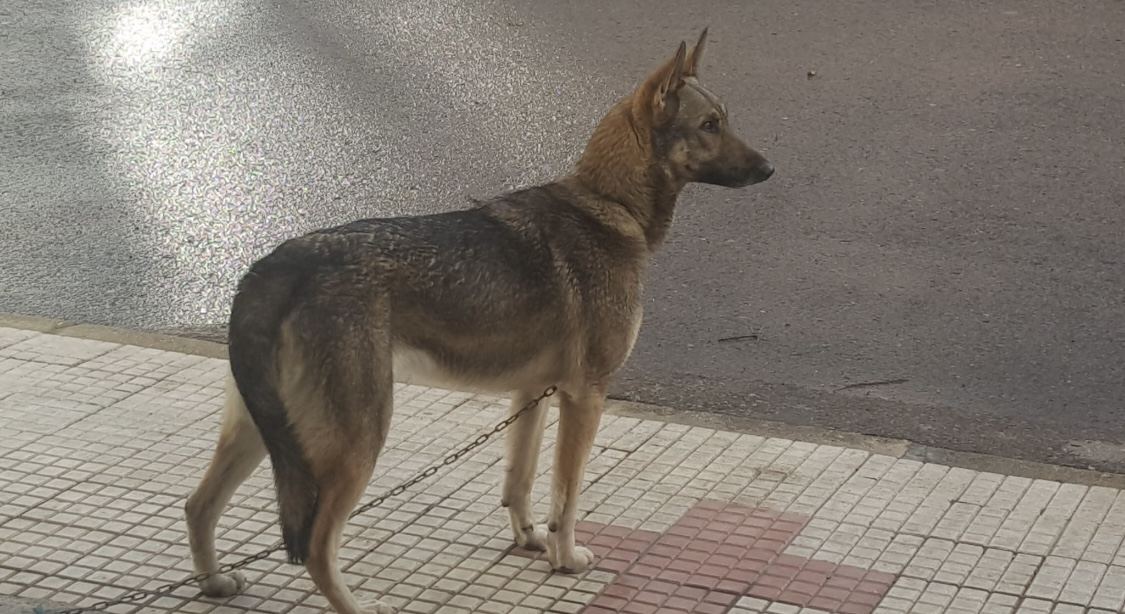
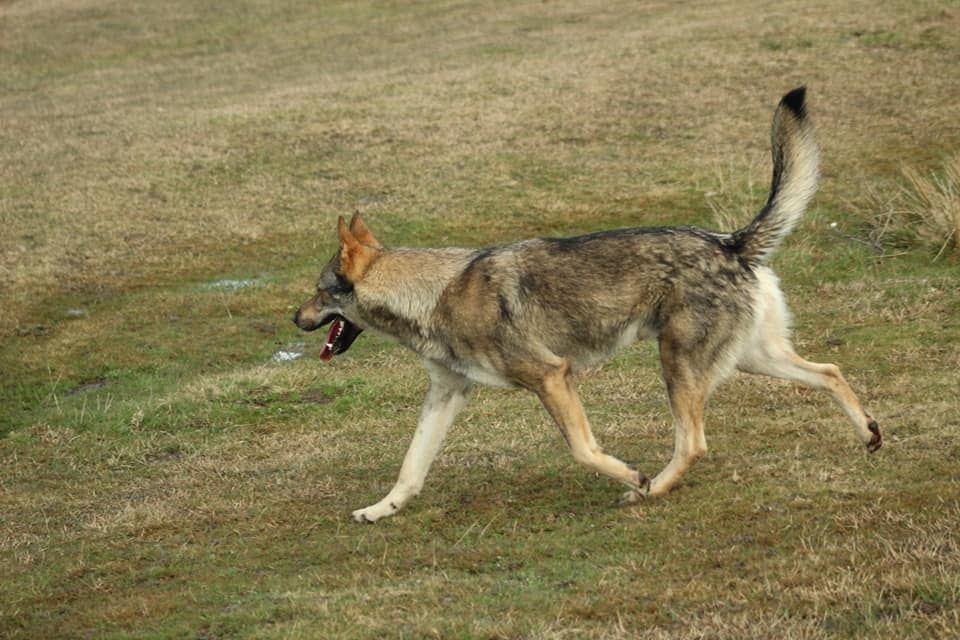
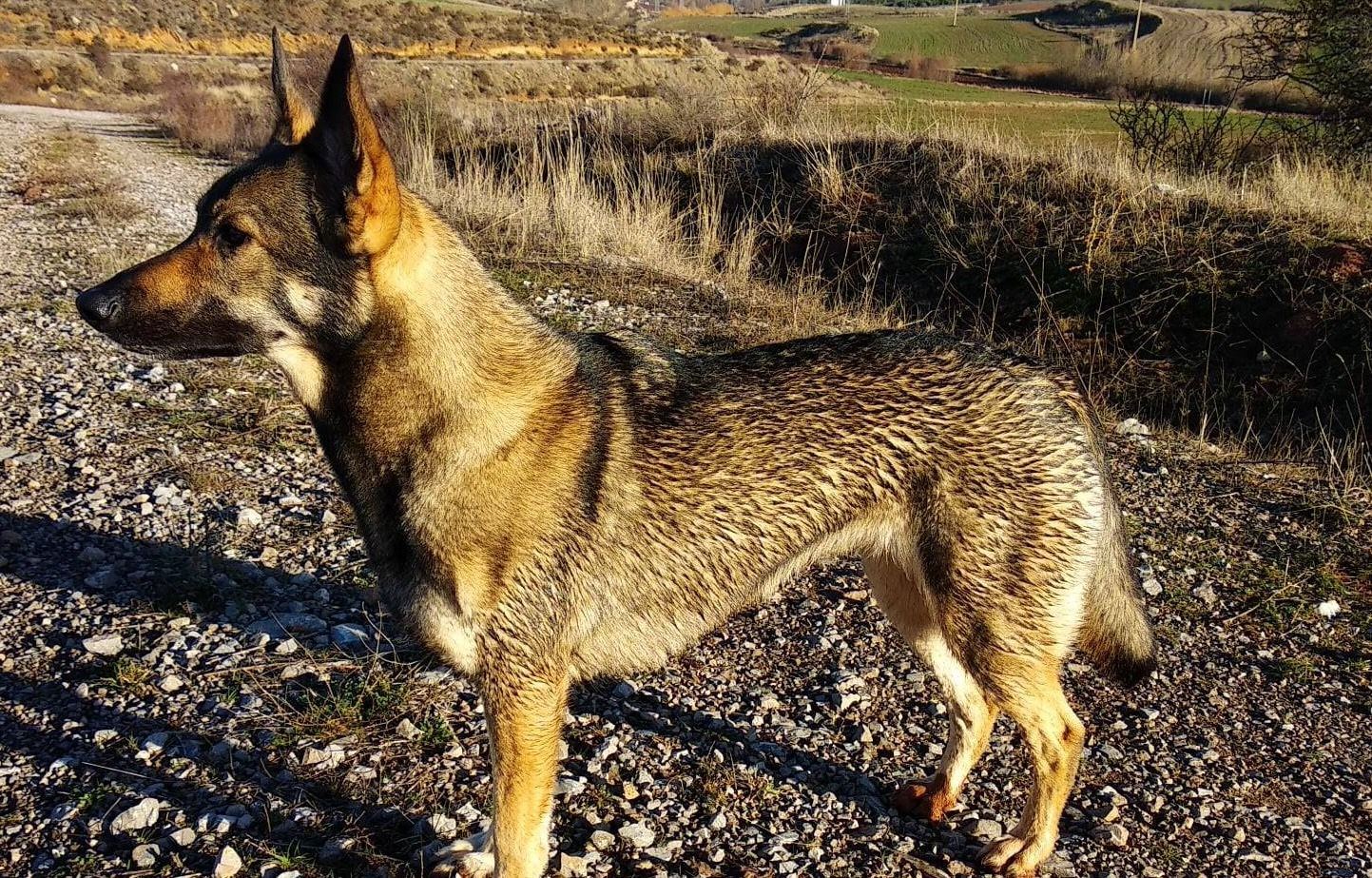
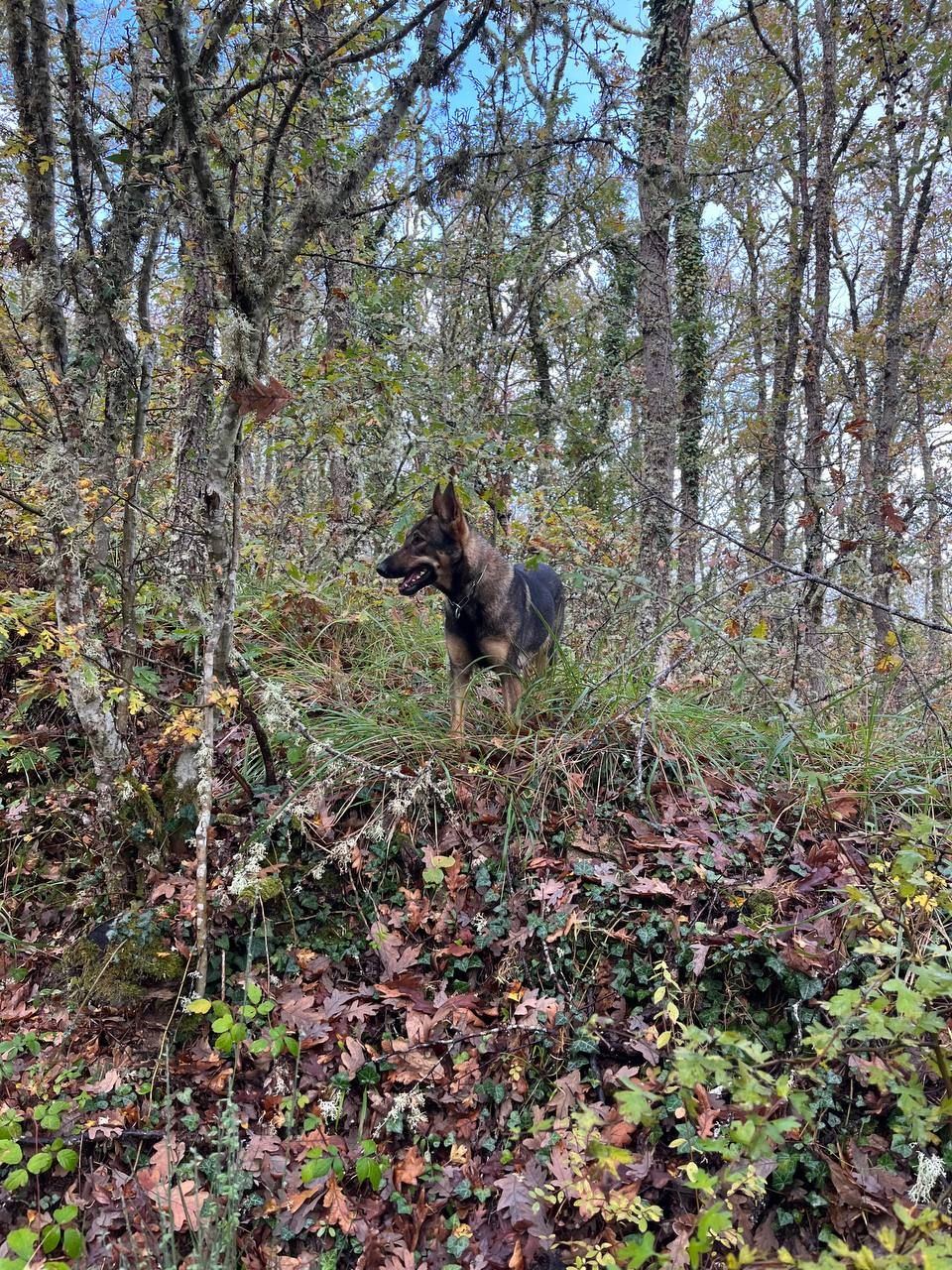
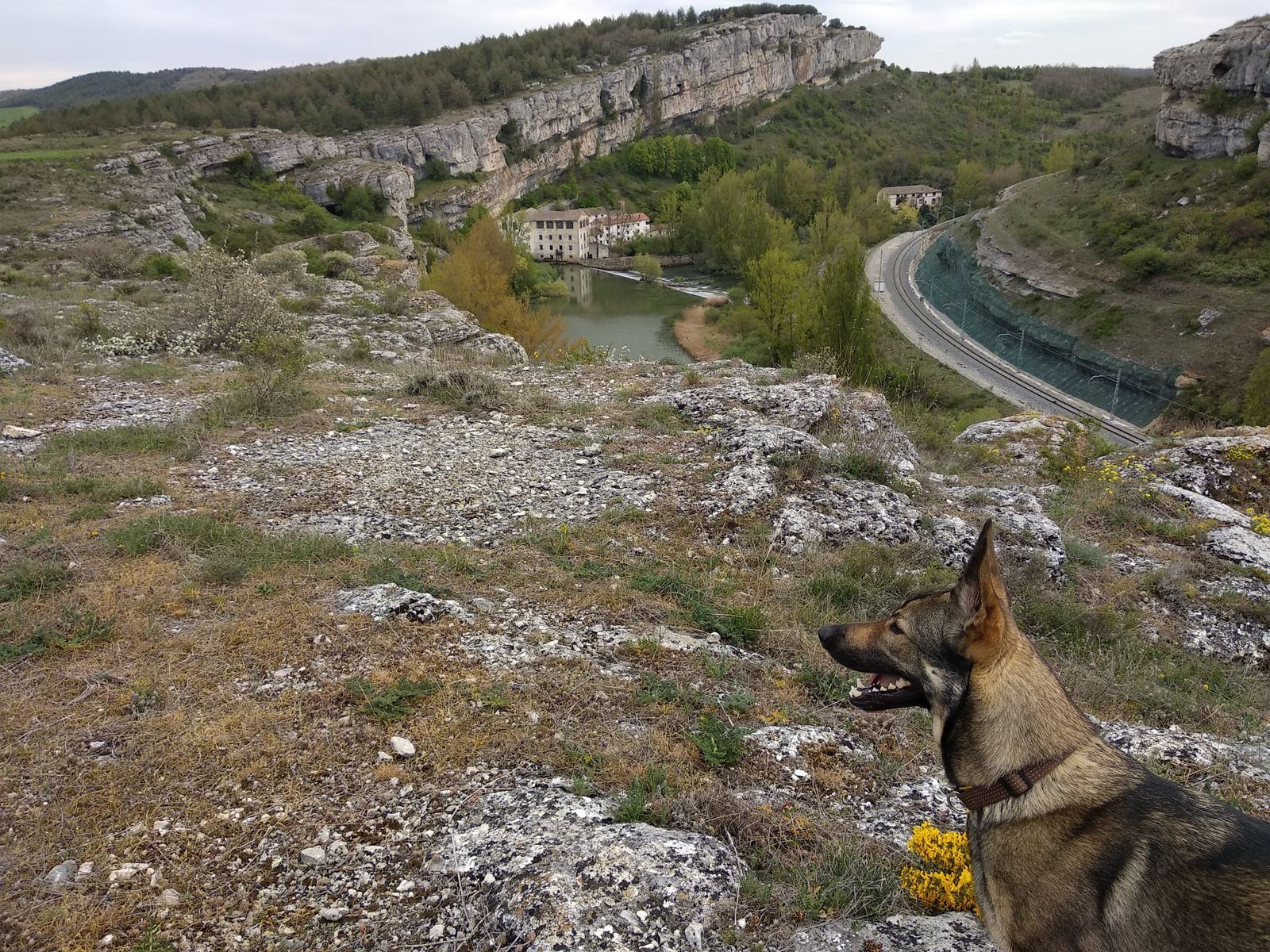
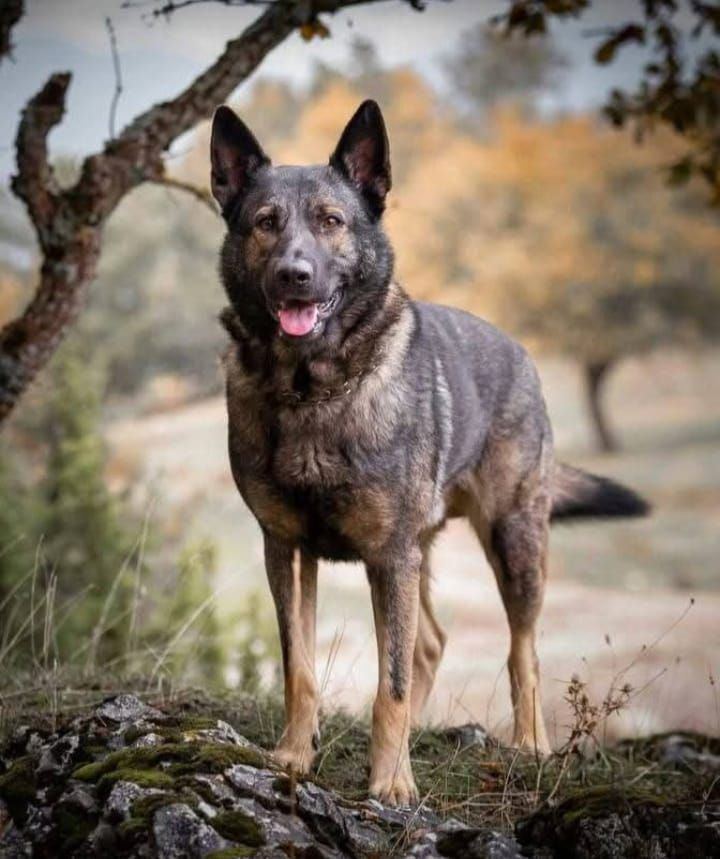
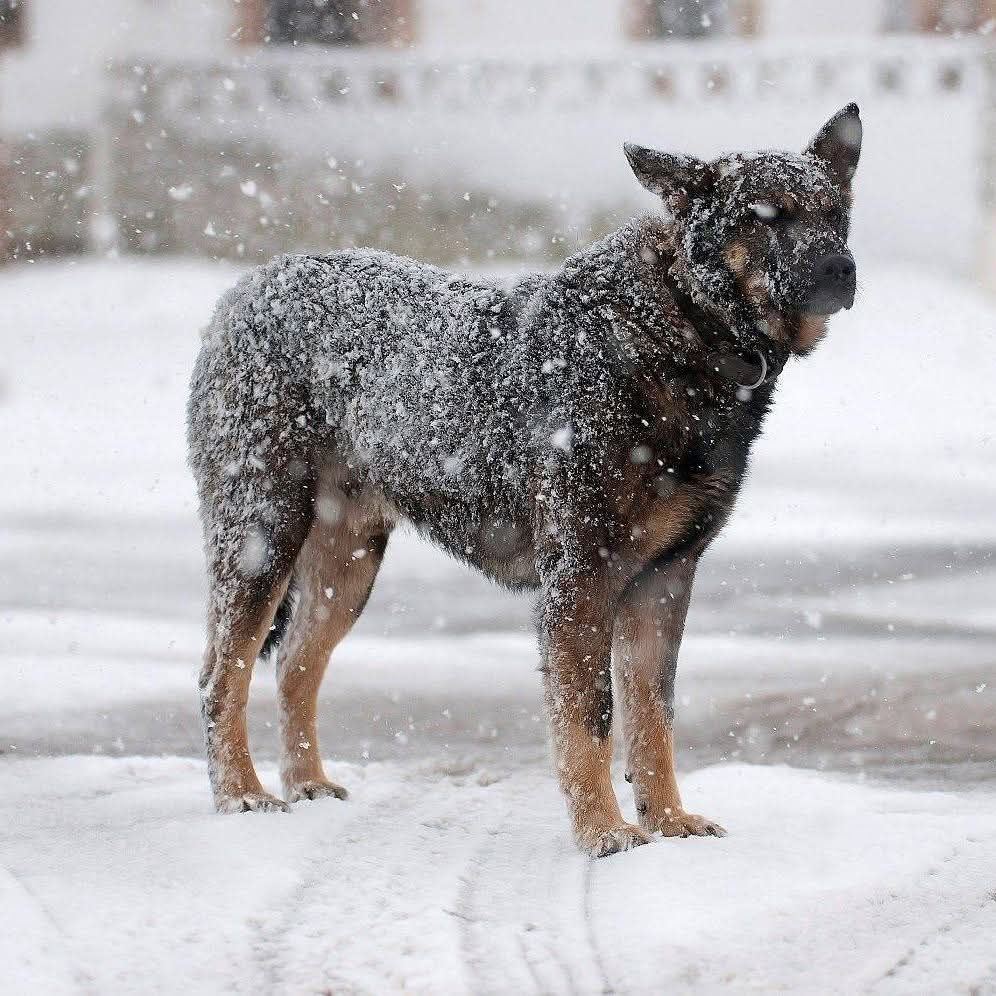
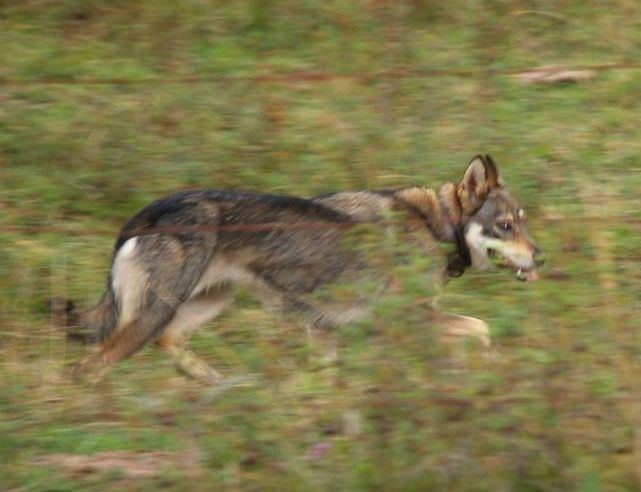
Adult specimen of Perro Lobo Español

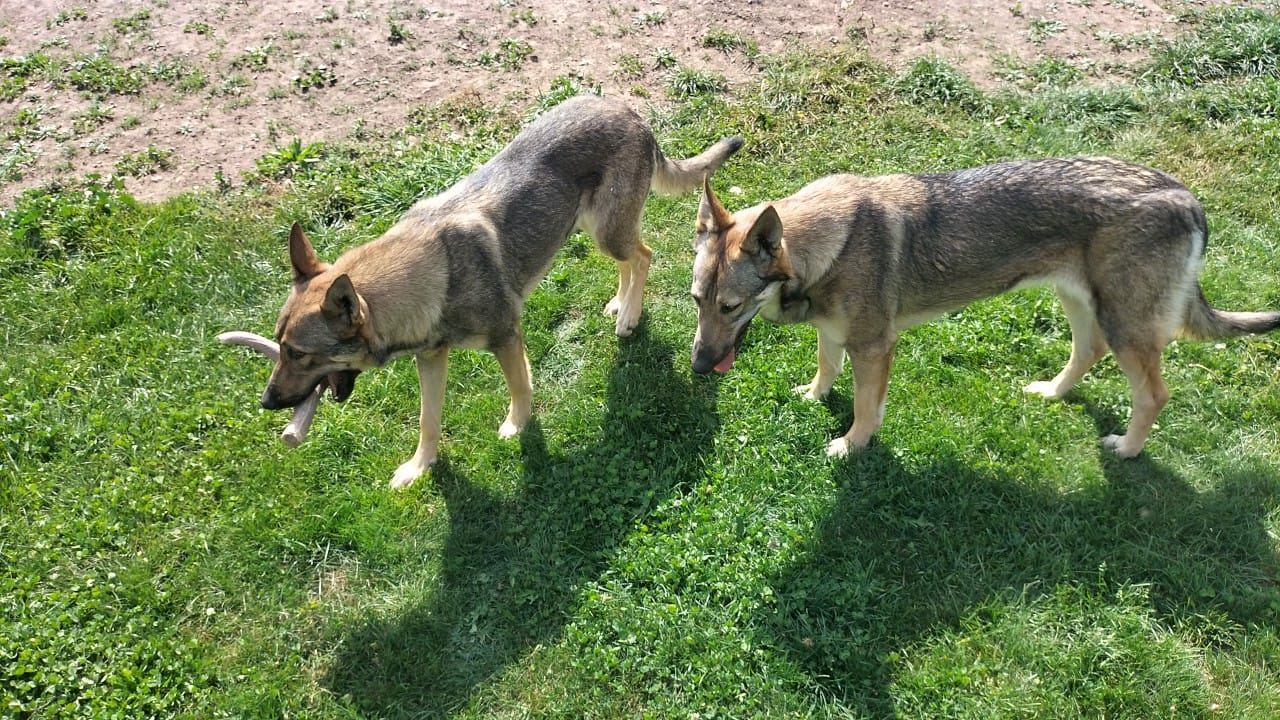
Perro Lobo Español (Spanish Wolfdog)
Naming

«Perro lobo» and «lobero»:
a cultural matter

The name perro lobo (wolf dog), traditionally applied to the lobero, should not be read in a modern genetic sense but a descriptive and cultural one. In rural speech, a perro lobo is a dog that, by appearance, bearing and behaviour, recalls the wolf without being one.

The lobero is not a tamed wolf, not a documented cross, nor a recent laboratory hybrid. It is a fully domestic dog, yet one that preserves primitive traits which time and function never found reason to remove.

In the rural world, the term lobero usually adds functional connotations: high hardiness, courage before the intruder, dominance, intelligence and cunning.

This clarification is essential so as not to confuse it with modern breeds such as the Czechoslovakian Wolfdog (created in 1955 through controlled crossing with wolves) or the German Shepherd, created in 1899, whose lupoid morphology has caused centuries of terminological confusion.
History and Documentation

A history written
before there were standards

The history of most dog breeds, especially the rustic or minority types, is largely unwritten. The case of the Spanish wolf dog, however, is paradoxical. Almost unknown to modern society, this still-unrecognised breed preserves archives and historical documentation far more abundant than initially expected and, above all, more abundant than that of many breeds currently recognised by the various kennel clubs.

The Spanish wolf dog appears in volumes of natural science and in encyclopaedias, and has a photographic record as well. It is not merely a dog preserved in the memory of villages, in country tales and in family recollection: it is rigorously documented in primary sources spanning more than five centuries.

1513
Libro de Agricultura · Gabriel Alonso de Herrera

This first mention, though it does not name the wolf dog directly, records the oral tradition that has reached our own day, which holds that the crossing of bitches with wolves was common. The likelihood that the author is referring to today's lobero is high:

«Las perras estando calientes se toma muchas vezes de lobos, y de la casta que sale de aquellas mezclas y ayuntamientos salen muy buenos y rezios perros […] Son los tales perros muy buenos, muy ligeros y vigilantes, y ladran mucho, y los que nacen de los lobos y perras, son muy enemigos de los lobos.»
1585
De Varia Comensuración para la Esculptura y Architectura · Juan de Arfe y Villafañe

Published in Madrid at the Royal Printing House, Juan de Arfe y Villafañe, a native of León, lists the wolf dog among the main canine varieties, pairing it with the shepherd dog for sharing its figure, coat, pointed muzzle, erect ears and guarding instinct:

«[…] podemos determinar como mas semejantes entre sí en primer lugar el perro de pastor y el perro lobo, pues no solo son bastantes conformes en su figura y pelo, en el hocico puntiagudo y en las orejas derechas, sino que su propio instinto los mueve á seguir y guardar el ganado.»
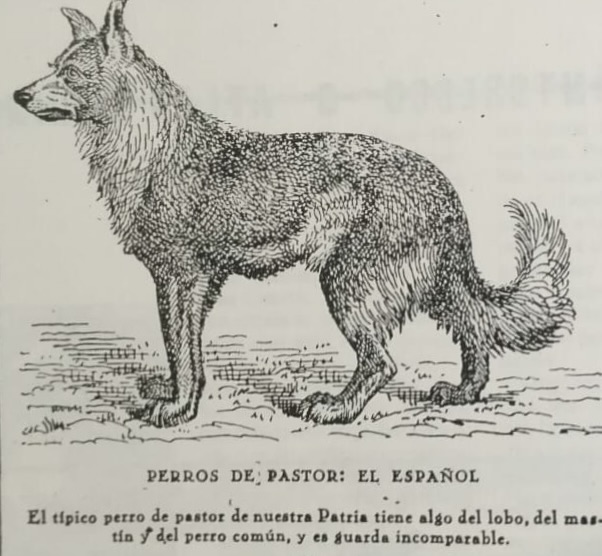
Ilustración Perros de Pastor: El Español, siglo XIX

«Perros de Pastor: El Español» · 19th-century illustration · Source being identified. «El típico perro de pastor de nuestra Patria tiene algo del lobo, del mastín y del perro común, y es guarda incomparable.»

1782 · 1832
Historia Natural, General y Particular · Obras Completas · Conde de Buffon

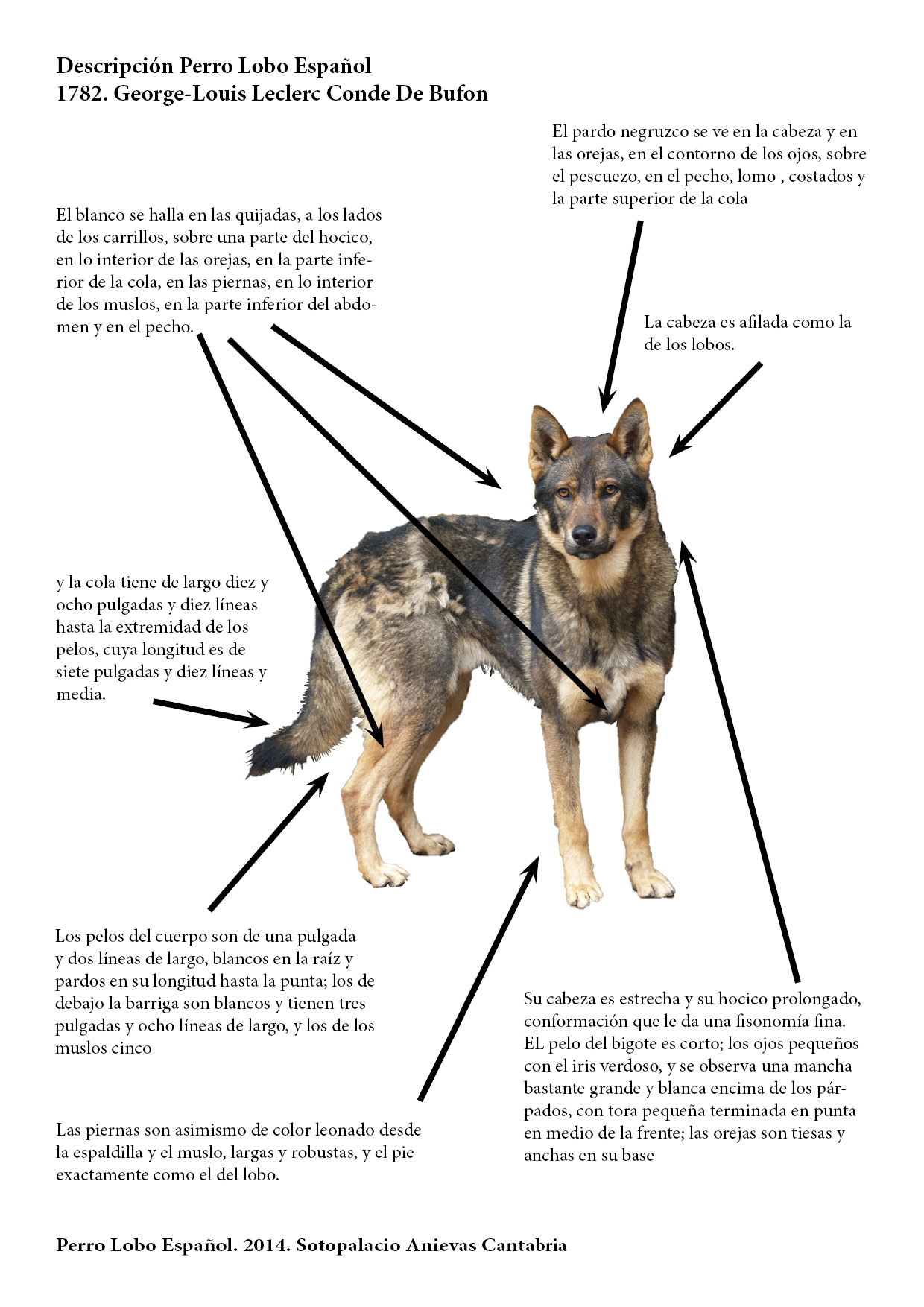
The Marquis of Amezaga, in a letter from Paris dated 3 December 1782, sent the naturalist Georges-Louis Leclerc (Count of Buffon) the description of a specimen brought from Cádiz by the Duke of Bourbon. The description, published in the Complete Works of 1832, is extraordinarily precise in its morphology:

«El Duque de Borbón había traído de Cádiz este perro que, aunque muy joven, tenía con muy corta diferencia el tamaño y la figura de un lobo adulto, bien hecho y de grande estatura […] Su cabeza es estrecha y su hocico prolongado, conformación que le da una fisonomía fina […] Las orejas son muy cortas y parecidas a las de los perros de pastor […] he inferido que traía su origen de la raza primitiva.»

The morphological match between this 1782 description and today's PLE type is remarkable: elongated muzzle, erect ears, bicolour coat with a woolly tawny undercoat, and a plumed tail curled forward.

Comparativa descripción Buffon 1782 con Perro Lobo Español actual

Comparison drawn up by the association: Buffon's description (1782) of a specimen from Cádiz, set against a present-day Spanish wolf dog from Sotopalacio, Anievas, Cantabria (2014). The morphological match is extraordinary.

1837
Diario Constitucional de Palma de Mallorca · Nº 44, 13 de noviembre

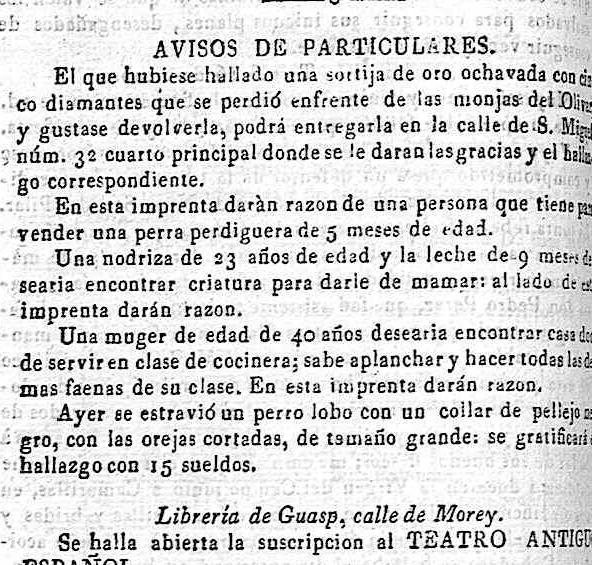
First press reference to the wolf dog: a notice for a lost specimen, with a black leather collar, cropped ears and large size. The date is more than half a century before the creation of the German Shepherd.

Aviso por pérdida de perro lobo, Diario Constitucional de Palma de Mallorca, 1837

Diario Constitucional de Palma de Mallorca, 13 November 1837 · «Ayer se estravió un perro lobo con un collar de pellejo negro, con las orejas cortadas, de tamaño grande: se gratificará su hallazgo con 15 sueldos.»

1847
Diario El Español · Nº 833

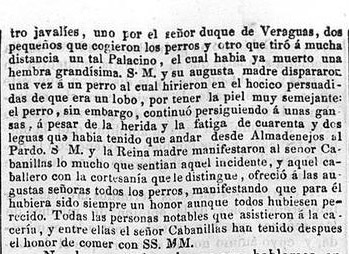
Account of a royal hunt in the woods of El Pardo where a dog was shot «in the belief that it was a wolf» because of its similar appearance. This confusion, far from anecdotal, was frequent until recent times in the areas where the lobero survives.

Recorte Diario El Español 1847, cacería en los montes del Pardo

Diario El Español, 1847 · Chronicle of a royal hunt in the woods of El Pardo: a dog was mistaken for a wolf and shot.

1852
Los Tres Reinos de la Naturaleza: Zoología · Chao, Monlau y Galdo

This work describes the Wolf-Dog as a distinct native species, drawing on Buffon and on Linnaeus, who named it Canis Pomerania. The description matches the present-day type:

«Es algo menor que el Braco y tiene el hocico oblongo, las orejas rectas y puntiagudas; la cola horizontal o levantada, y enroscada hacia su cara inferior; el pelo corto en la cabeza, y largo, sedoso y lácio en el cuerpo; su color es blanco amarillento, rara vez pardo, negro o leonado. Muestra bastante apego a su amo, y está dotado de un valor superior a sus fuerzas.»
1852
Semanario Pintoresco Español · Nº 32

A further mention that groups the wolf-dog with the livestock dog and the Siberian dog as kindred varieties, acknowledging its existence in Spain as a type distinct from the mastiff and the greyhound.

1855
La Iberia · Manuel Murguía

The writer and journalist Manuel Murguía publishes in this liberal newspaper a literary description that captures the silhouette of the native lobero with precision:

«En el portal hallaréis un hermoso perro, un perro de la raza aborígena del país, con su cuerpo delgado y esbelto, con su hocico puntiagudo, con su larga cola, con sus piernas delgadas y musculares y con sus orejas erguidas, que os hará recordar la figura del lobo que en las mañanas de invierno llama a las puertas del aldeano con su ahullido prolongado y triste.»
1867
Tratados del ganado lanar, cabrío y del perro · Autor anónimo

Published in Madrid, this treatise cites the wolf-dog on page 97, after the mastiff, the greyhound, the pointer and the water dog, with a functional description still valid today:

«El perro-lobo que puede servir lo mismo para custodiar la casa que para guardar un ganado.»
1872
La Creación. Historia Natural · Doctor Juan Vilanova y Piera

A work of great value: the author makes direct observations of the wolf dog in Spain and places it within the European stock of wolf dogs found in England, Holland, Germany and Thuringia. He precisely notes its qualities as a guardian:

«El perro lobo es muy vivo, sagaz y diestro, aunque inclinado a morder; pero es un buen guardián […] Todos los perros-lobos tienen las mismas cualidades; amantes en extremo de la libertad, de nada sirven cuando se les sujeta. Son tan fieles como incorruptibles, y excelentes para guardianes, pues vigilan de día y de noche. El perro lobo no abandona la casa.»
1893
La pesca del Gallo en Melilla · Pablo Parellada Moles

The writer mentions the wolf dogs of the Rural Guard in Melilla, which had gained a certain fame among the officers posted there:

«Estos guardias rurales llevan para su defensa escopeta, faca y un perro con aspecto de lobo. Tales perros han tenido una cierta notoriedad, y raro será el oficial á quien le haya tocado prestar allí sus servicios por algún tiempo que no recuerde a los célebres perros de la Partida.»
1900–1912
Prensa nacional · Anuncios y crónicas

From 1900 onwards, the Spanish press ran notices of lost or for-sale wolf dogs. Tellingly, some notices distinguish between «perro lobo» and «perro lobo alsaciano» (Alsatian), showing that the advertisers themselves told the native lobero apart from the newly arrived Central European breeds. By 1912 there are already mentions of police dogs coming from northern Europe.

1930
Revista Crónica · Entrevista a Pío Baroja

In an interview with the Basque novelist, the journalist notes that a wolf dog greets the visitor at the door of the writer's house, describing the animal as the author's «magnificent companion».

1933–1934
Luz Diario de la República · Revista Técnica de la Guardia Civil

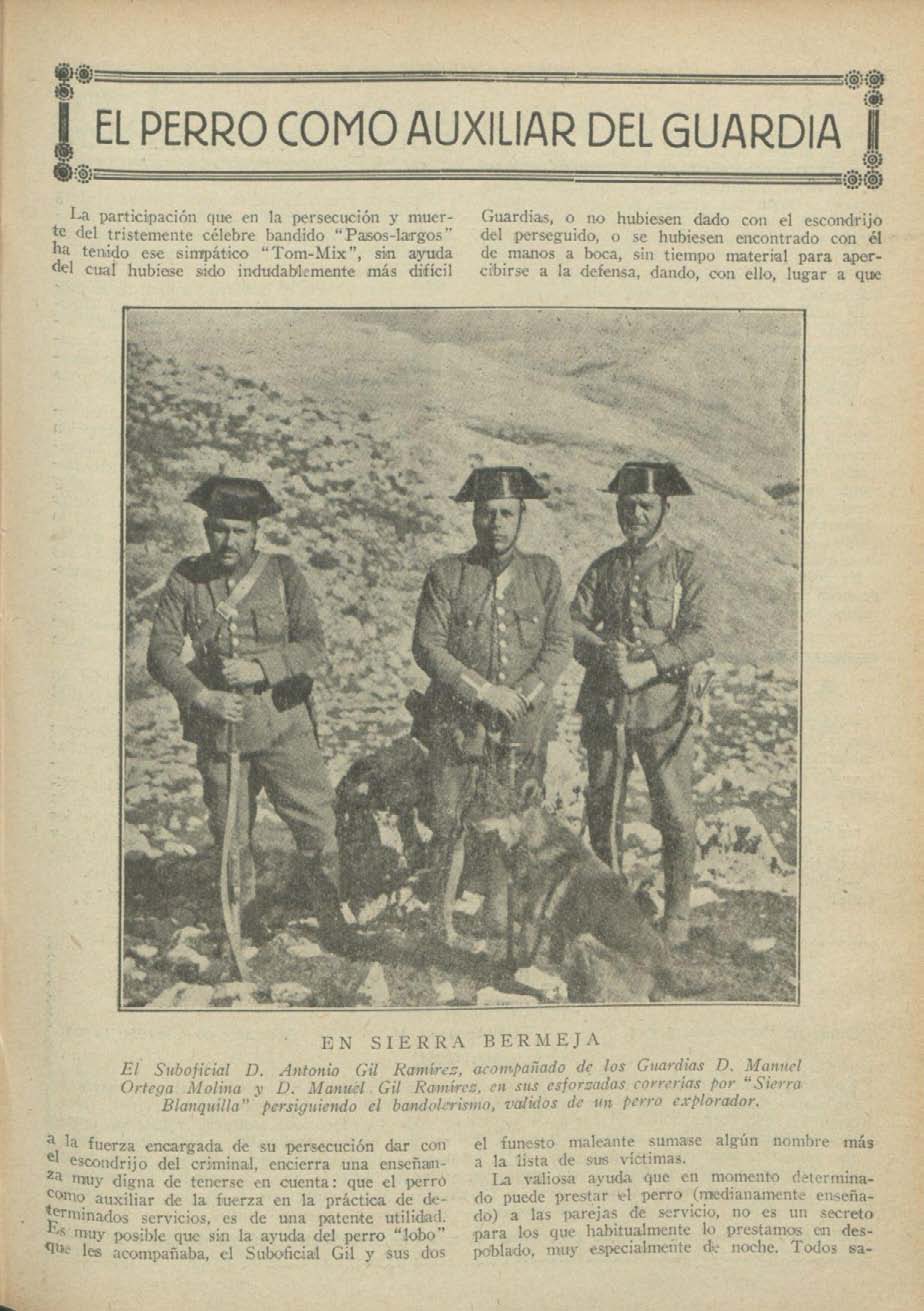
One of the most notable references: the pursuit and killing of the bandit «Pasos Largos» in Sierra Bermeja, in which the Guardia Civil used the wolf dog «Tommy» as a scout. The episode was reported in the press in 1933 and analysed in the Revista Técnica de la Guardia Civil in May 1934, under the title «El perro como auxiliar del guardia».

This shows that the wolf dog was the first dog used by the Spanish security forces, before the founding of the canine training schools: the National Police began with 8 German Shepherds in 1945, and the Guardia Civil Training School was not created until 1951.

El perro como auxiliar del guardia, Revista Técnica de la Guardia Civil, 1934

«El perro como auxiliar del guardia» · Revista Técnica de la Guardia Civil, May 1934 · Sergeant Antonio Gil Ramírez and his men pursued the bandit «Pasos Largos» through Sierra Bermeja «validos de un perro explorador» — the wolf dog «Tommy».

1940–1960
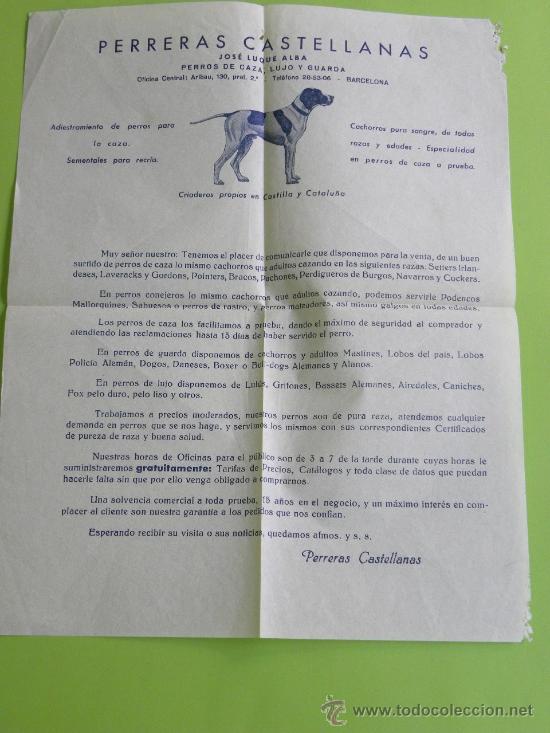
Perreras Castellanas · José Luque Alba · Barcelona

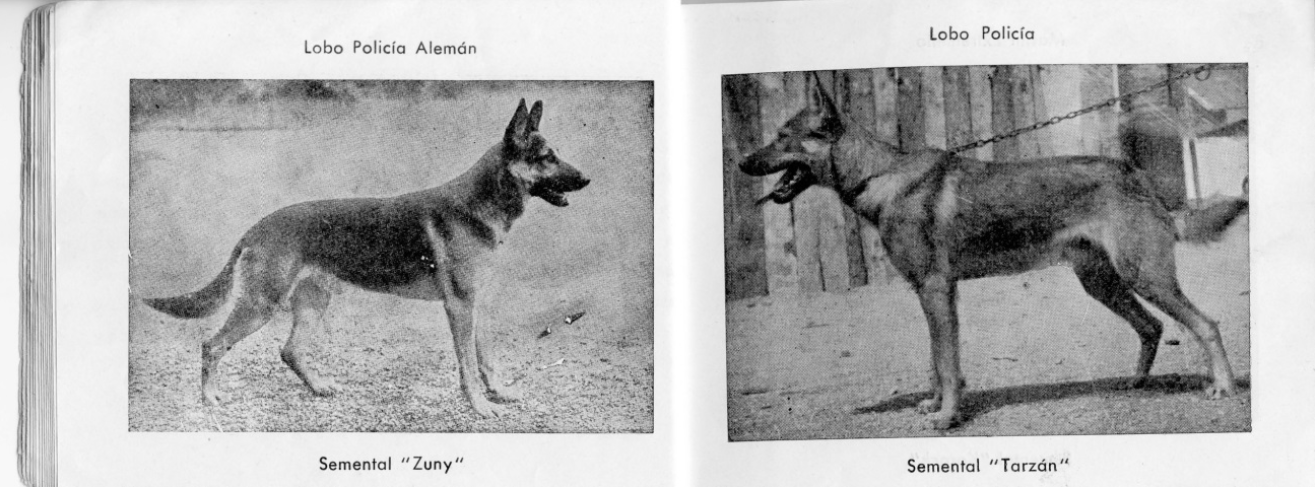
One of the main establishments breeding and selling working dogs in post-war Spain. In its commercial letter, Perreras Castellanas expressly offers «Lobos del País» (native wolf dogs) and «Lobos Policía Alemán» (German police wolf dogs) as separate products. Its catalogue, still in 1960, lists at separate prices the «Lobo Policía» —the native lobero— and the «Lobo Policía Alemán». The company's heir confirmed that they used to sell both breeds separately.

This document is direct commercial proof that the Spanish lobero and the German Shepherd were perceived and marketed as distinct animals well into the 20th century.

Carta comercial de Perreras Castellanas

Commercial letter from Perreras Castellanas · It expressly mentions «Lobos del País» and «Lobos Policía Alemán» as distinct products.

Catálogo Perreras Castellanas - Lobo Policía Alemán y Lobo Policía

Perreras Castellanas catalogue · Studs «Zuny» (German police wolf dog) and «Tarzán» (police wolf dog) · Still in 1960, the catalogue set the native lobero apart from the German Shepherd at different prices — proof that both breeds coexisted as distinct animals in the Spanish market.

The historical documentation of the Spanish wolf dog is more extensive and older than that of many currently recognised breeds. The sources range from 1513 to the 20th century and include naturalists, encyclopaedists, writers, regional press and commercial catalogues.

Genetic Studies

Genetic studies
to date

Three independent scientific investigations have analysed the genetic identity of the Perro Lobo Español. Together they form a coherent and progressive body of evidence, from the initial characterisation to high-density genomic analysis.

01
Doadrio Study / CSIC
2014 · 76 PLE samples · 18 microsatellites · 25 breeds compared

First formal genetic characterisation of the breed. It establishes the differentiation of the PLE as a scientific starting point and lays the ground for later studies.

76PLE samples
25Breeds compared
18Microsatellites
Read summary → ⬇ PDF
02
Villegas Thesis
2017–2019 · 1,248 individuals · 27 breeds · UIMP – CSIC

The largest-scale study. The PLE groups with Iberian lupoids —Galician Palleiro, Herreño—, not with the German Shepherd. Differentiation confirmed at large scale.

1.248Individuals analysed
27Breeds
Read summary → ⬇ PDF
03
Lima Thesis
2018 · University of Porto · 43 microsatellites · 15 Iberian breeds

Independent confirmation from Portugal. The PLE fits within the Iberian continuum of rustic dogs, and part of the Carea Leonés analysed group with it: a shared genetic background in the north-west of the peninsula.

294Individuals
43Microsatellites
15Iberian breeds
Read summary → ⬇ PDF

According to the Villegas study (2017–2019), which compares the three breeds with the same panel of 18 microsatellites, the PLE shows an expected heterozygosity (HEXP ≈ 0.705) higher than that of the German Shepherd (≈ 0.608) and far higher than the Czechoslovakian Wolfdog (≈ 0.526). Greater genetic diversity indicates an older population, less shaped by intensive artificial selection. To this is added a revealing figure from the Doadrio report (2014): with those markers, the Czechoslovakian Wolfdog —created in 1955— turns out to be less differentiated from the German Shepherd than the PLE itself. The rustic Spanish dog is further from the German Shepherd than a hybrid designed in a laboratory from it.
Visual Documentation

Historical Photographic Archive

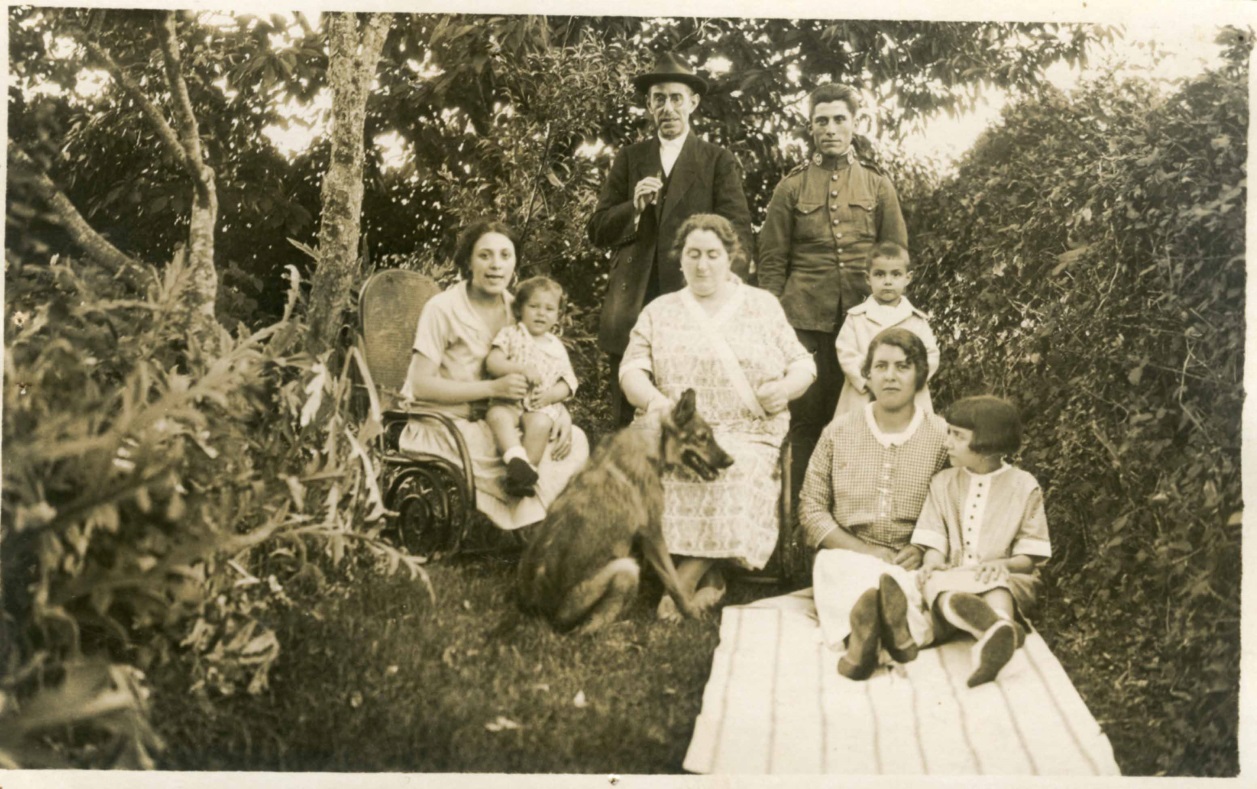
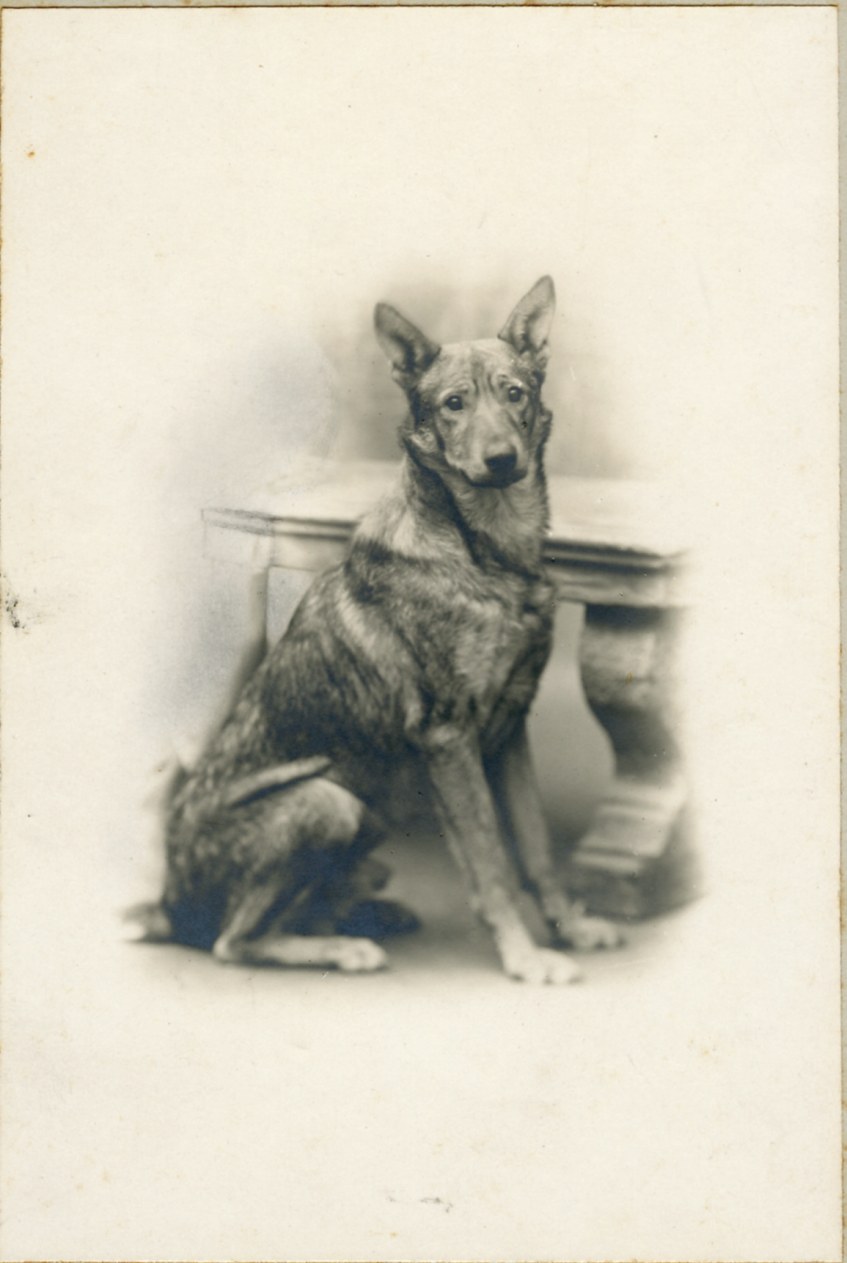
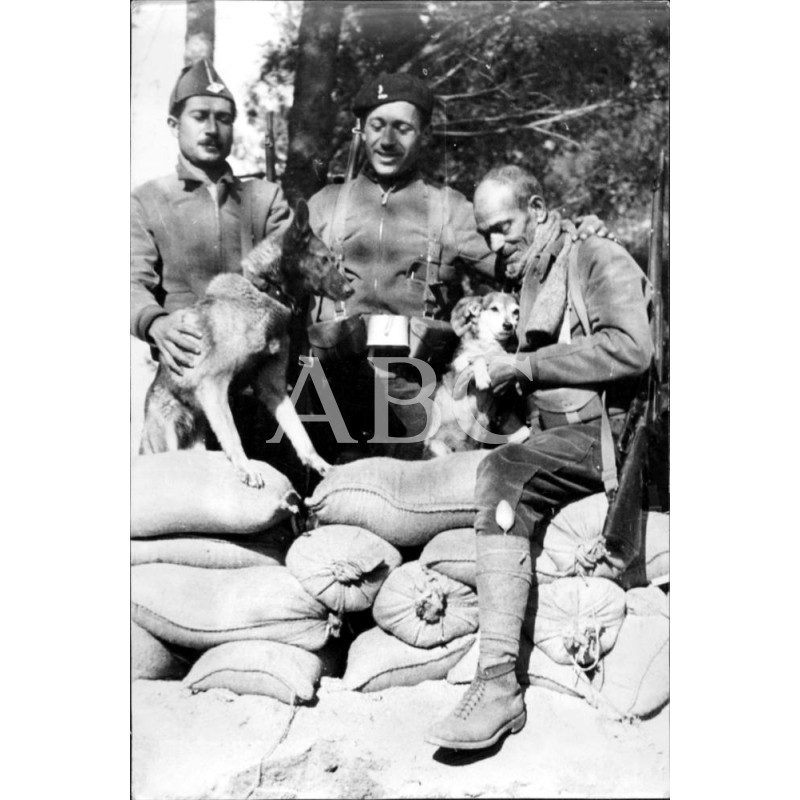
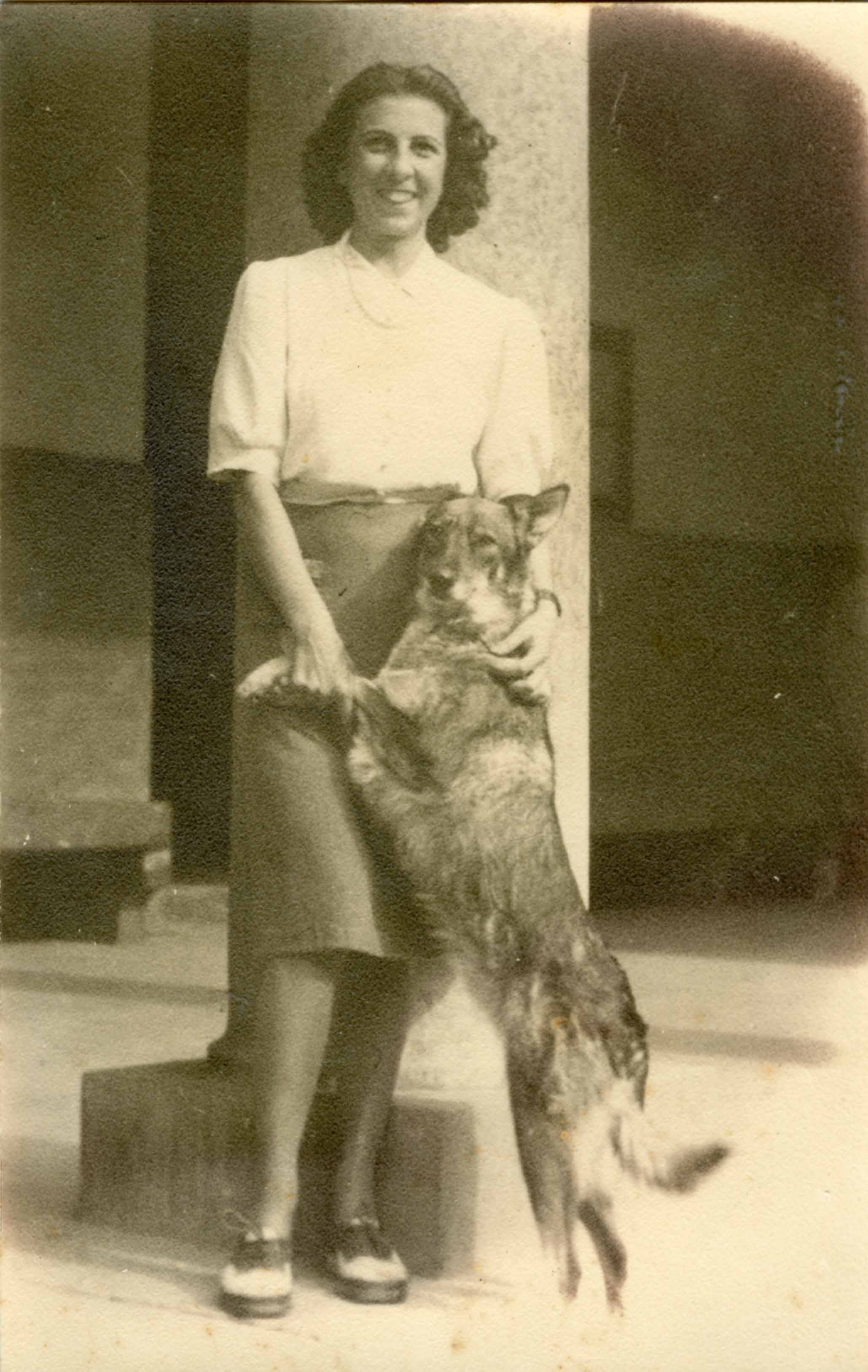
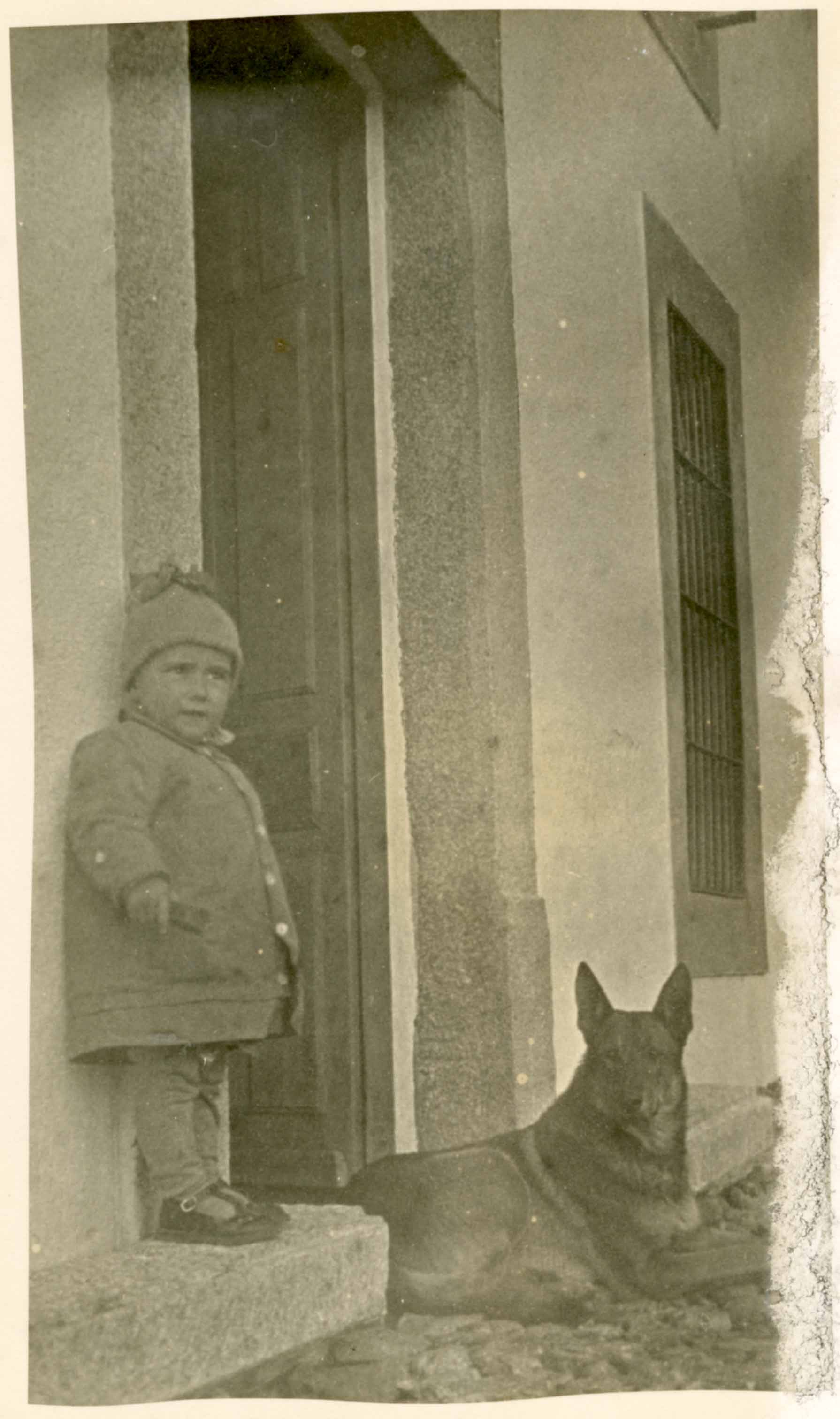
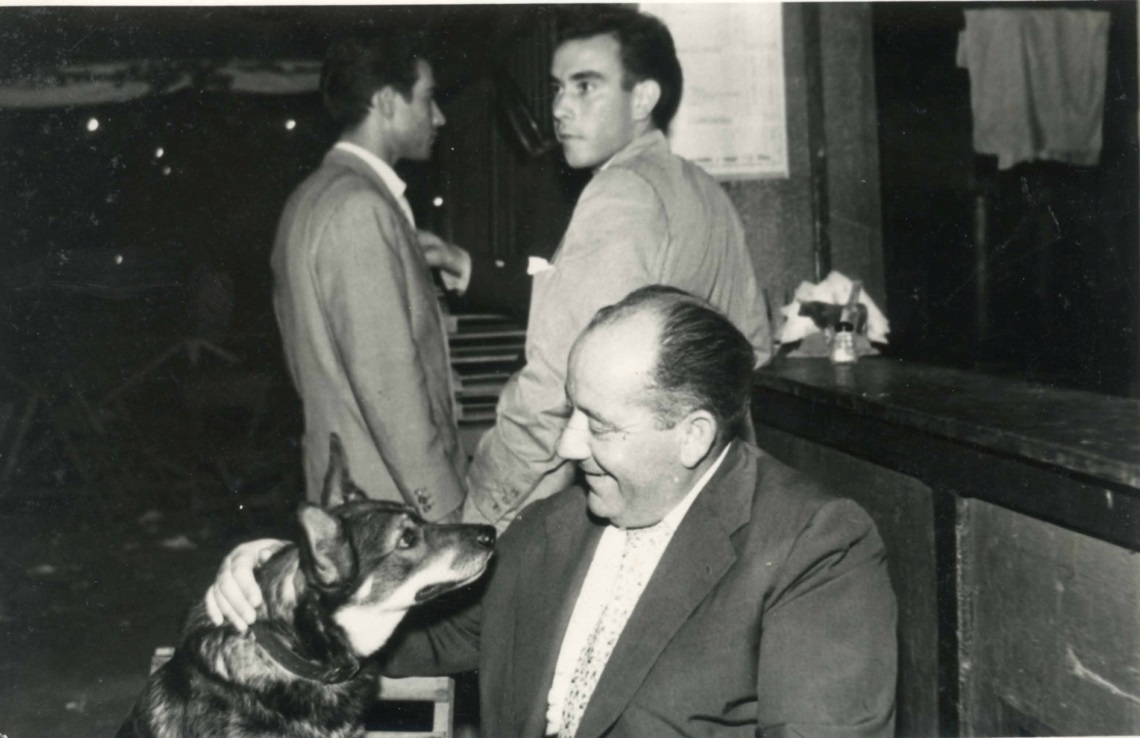
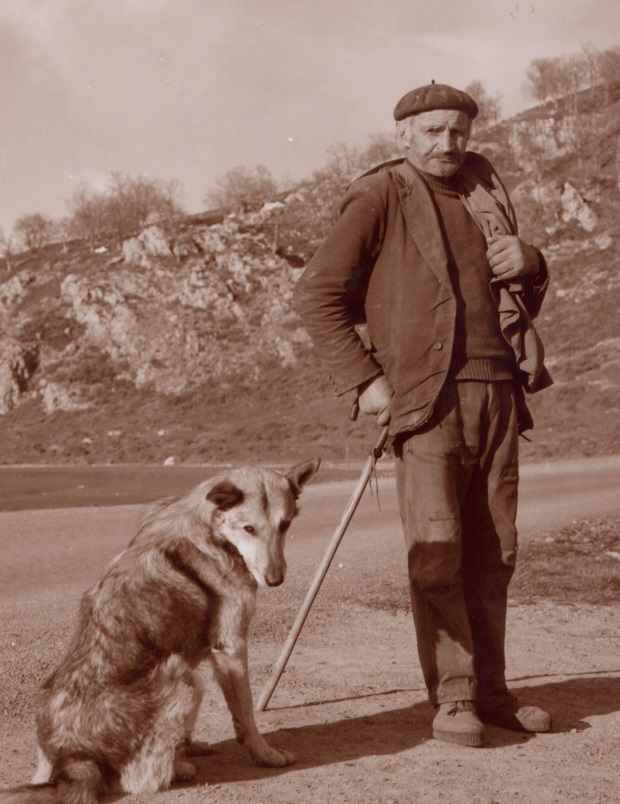
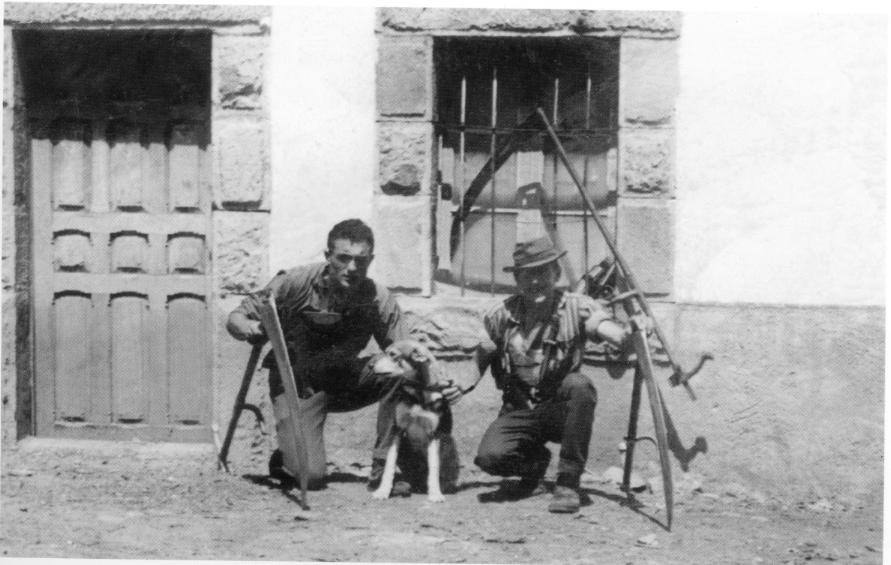
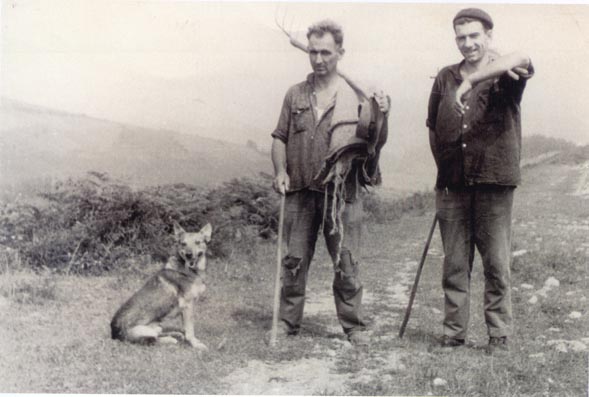
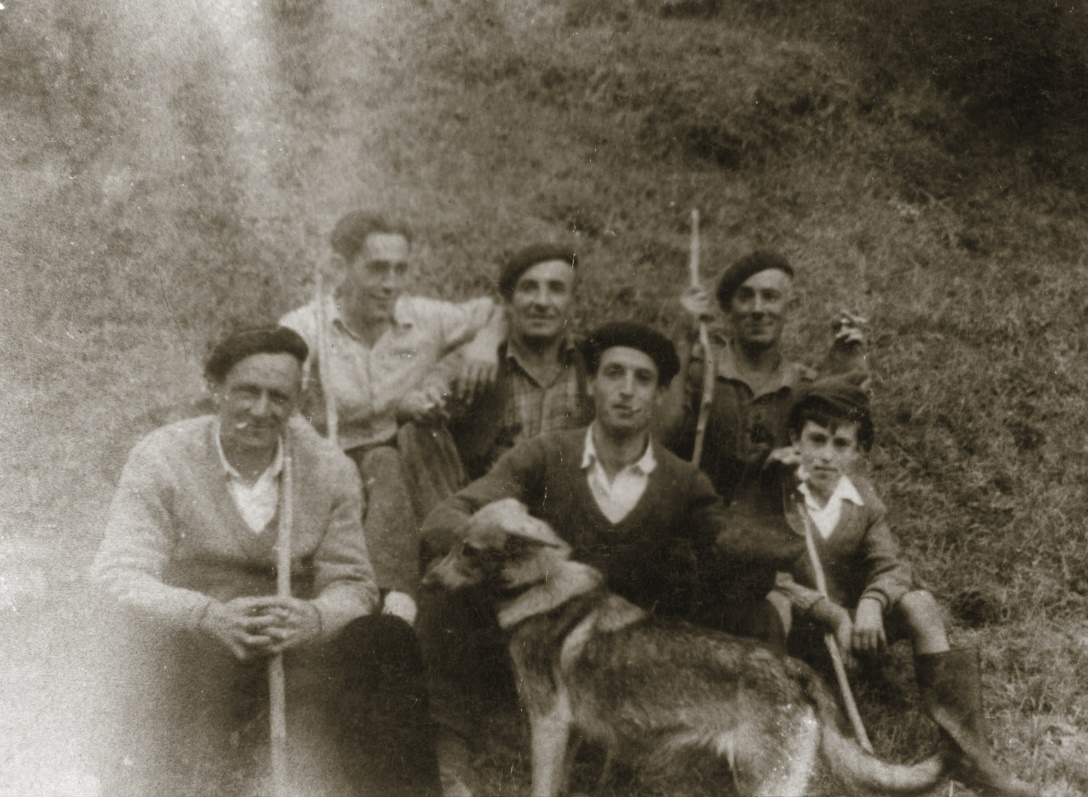
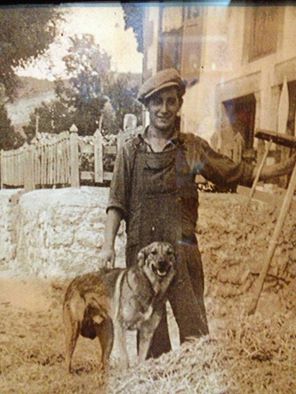
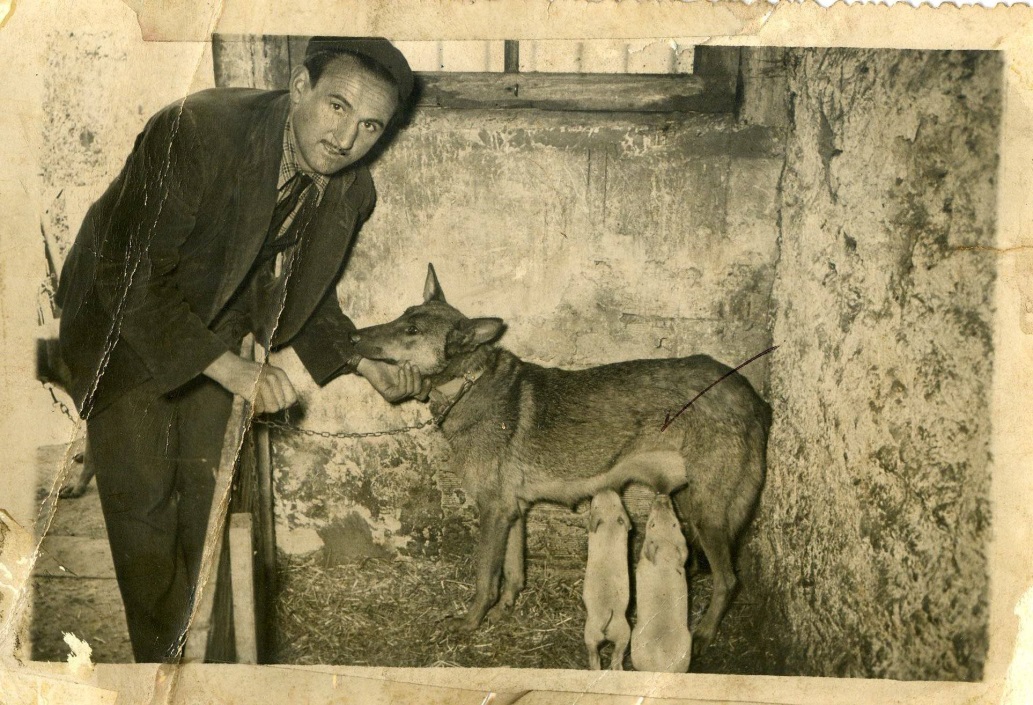
We want to highlight the number of images of wolf-like dogs found all across Spain, and the remarkable age of some of them. Here we try to arrange a few of them chronologically; some of the images shown are very close to 1900 and, we believe, even earlier, from the 19th century. This archive is the work of a handful of breed enthusiasts; we believe that as the breed becomes better known, it will grow greatly with contributions from all over Spain.
Familia con Perro Lobo en Comillas, 1902

Family with a wolf dog in Comillas · Albumen print, 1902

Albumina Barcelona, finales siglo XIX

Albumen print · Barcelona · Albumen prints were made in the late 19th and early 20th centuries. This photographic technique died out from the 1920s onwards.
Perro Lobo Español, años 30 — Archivo ABC

Años 30

Perro Lobo Español, Valencia, años 40

Valencia · Años 40

Perro Lobo Español, León, años 50

León · Años 50

Perro Lobo Español, Jerez, años 60

Jerez · Años 60

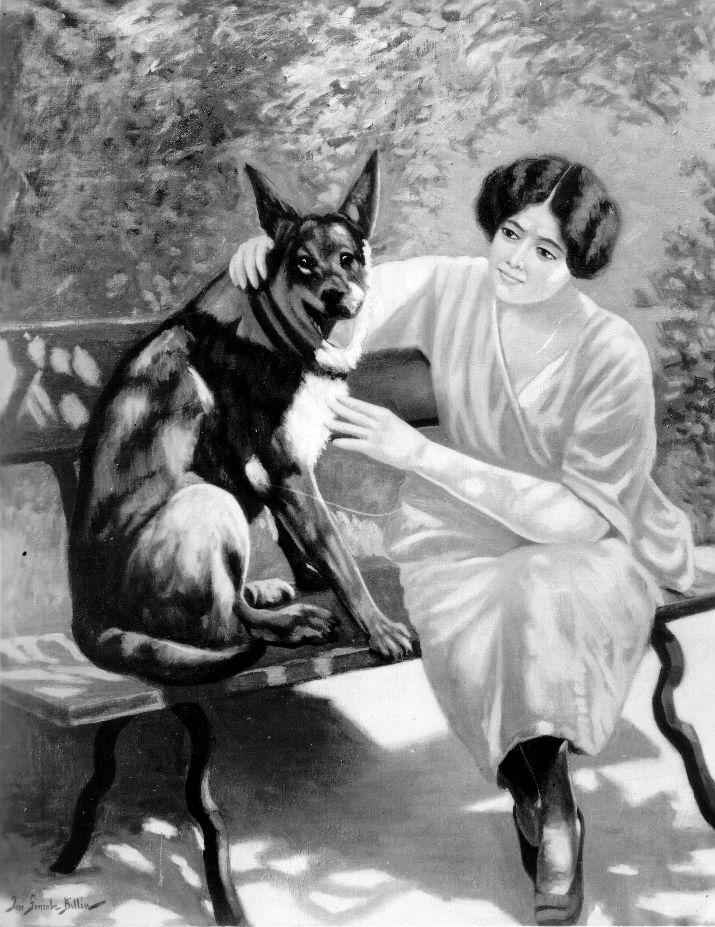
Mujer con Perro Lobo Español, óleo, hacia 1890

Circa 1890

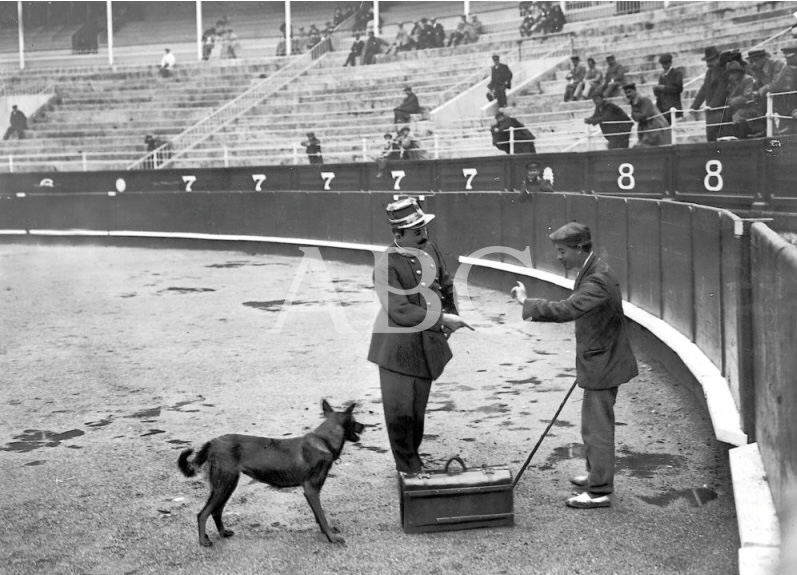
Perro Lobo Español de la Guardia Municipal en la plaza de toros, 1910

Police dog at the bullring · 1910

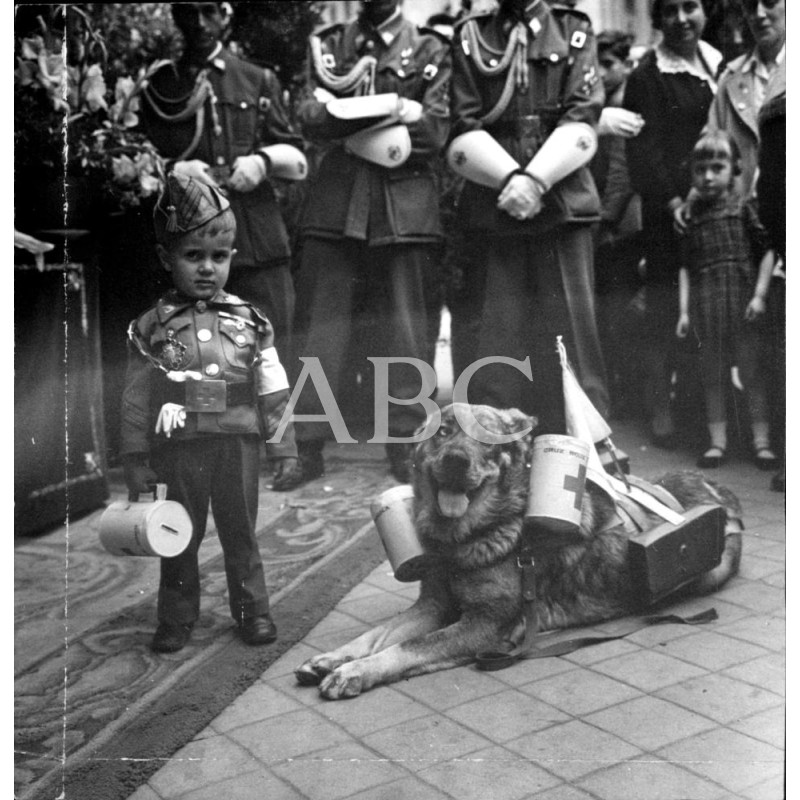
Perro Lobo Español con arreos de la Cruz Roja, Fiesta de la Flor, 1945

Fiesta de la Flor · 1945

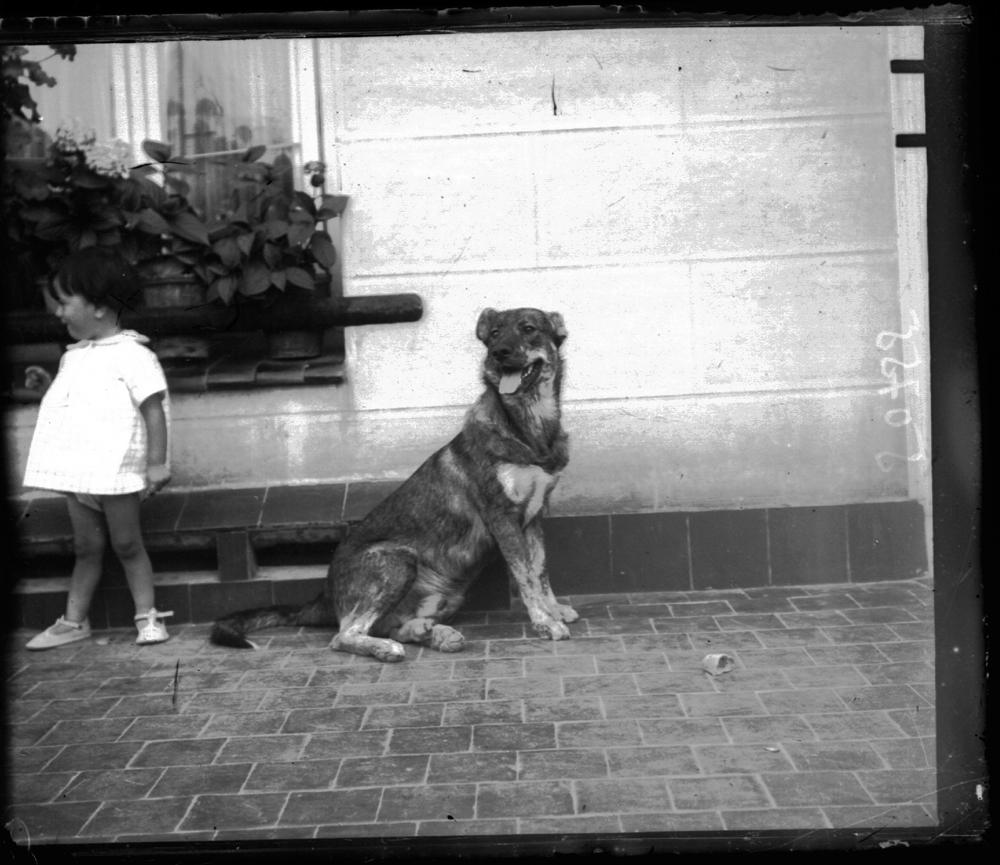
Niña con Perro Lobo Español en la calle, hacia 1920

Circa 1920

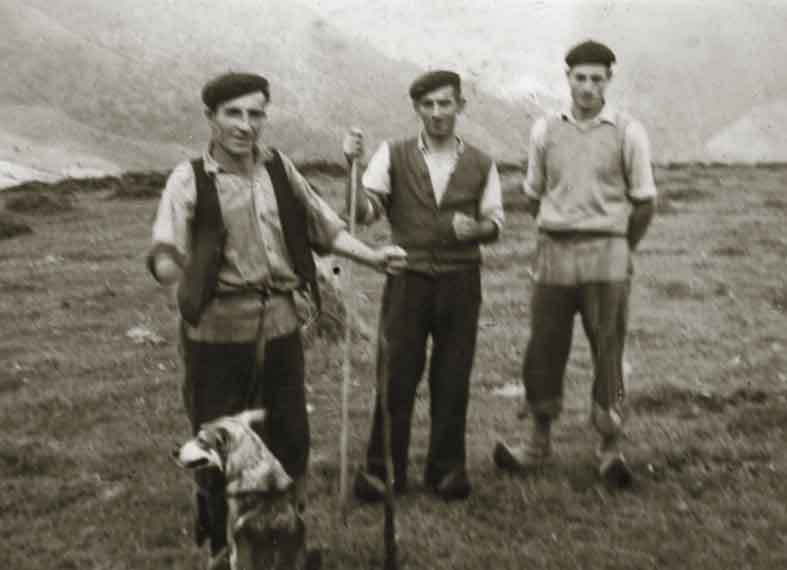
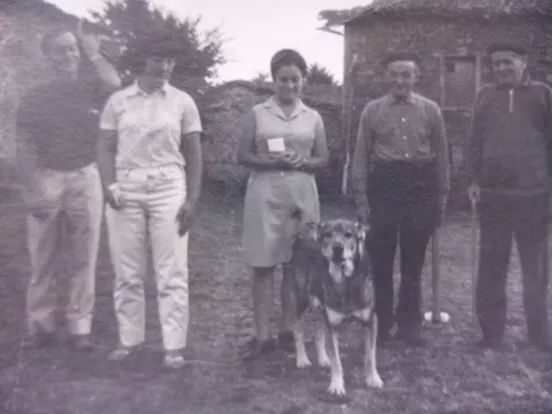
The images recovered from the villages of Cantabria deserve a chapter of their own, especially from the high pastures of Campoo-Cabuérniga, where this breed has survived to our own day.

Puertos de Campoo, años 50

Puertos de Campoo · Años 50

Villar, Campoo

Villar, Campoo

Valdaliga

Valdaliga

Cabuérniga

Cabuérniga

Sejos

Sejos

Fresno del Río

Fresno del Río

Reinosa

Reinosa

Ruente

Ruente

Valderredible, años 60-70

Valderredible · Años 60–70

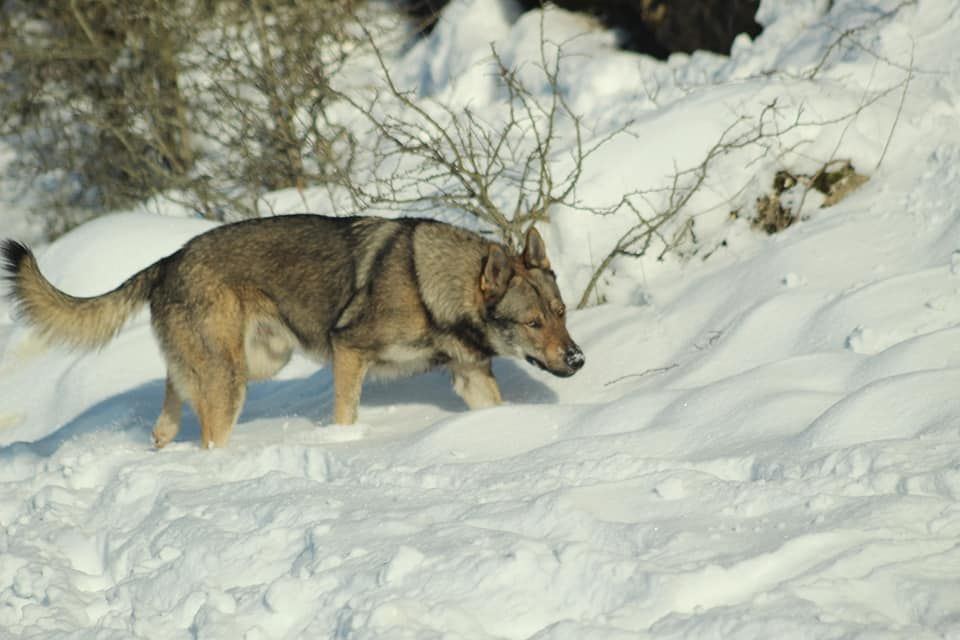
Present-day Specimens

Photo Gallery

Audiovisual documentation

Videos

A small selection of videos about the Spanish Wolfdog. You can view the full gallery with all published videos.

Hartu Adiestramiento Canino

Hartu Adiestramiento Canino II

Frequently Asked Questions

What people ask us

No. The Perro Lobo Español (Spanish Wolfdog) is a pure domestic dog. Its name —«perro lobo» or «lobero»— is descriptive, referring to its wolf-like appearance and coat, and does not imply any crossbreeding with a wolf, whether natural or in a laboratory. It is often mistakenly confused with modern hybrid breeds such as the Czechoslovakian Wolfdog, Saarloos Wolfdog, Calupoh, etc. The PLE has a completely different and far older origin.
No. In some countries the keeping of wolfdog hybrids —recent crosses between dog and wolf— is restricted or banned because of their wild-wolf component. The Perro Lobo Español is not affected by that legislation: being a pure domestic dog, with no wolf hybridisation whatsoever, it is not subject to the legal limitations that apply to hybrids. Its name refers only to its wolf-like appearance —its coat—, not to its genetics. Even so, we always recommend checking the local regulations in force on keeping animals.
The German Shepherd was created in 1899 by Max von Stephanitz from herding dogs in Germany. The PLE is documented in Spain since ancient times, which rules out any line of descent. Genetically, the three scientific studies carried out confirm that the PLE does not group with the German Shepherd, but with other Iberian lupoid dogs, Spanish and Portuguese, such as the Can de Palleiro. Morphologically they show superficial similarities —the lupoid morphology is ancient and appears in many canine populations independently— but they are distinct populations with different evolutionary histories.
Not yet. Official recognition by the Royal Canine Society of Spain (RSCE) and the Fédération Cynologique Internationale (FCI) is one of the association's goals, although the main aim is to preserve the breed as a functional one, just as we inherited it. The process requires solid historical documentation, genetic studies and a defined breed standard. The three genetic studies carried out to date form the necessary scientific basis; the next priority step is their publication in peer-reviewed scientific journals.
A specimen cannot be identified as a PLE by morphology alone, since the wolf-like type appears in different populations. The association is developing identification criteria that combine morphology, geographical origin, behaviour and, in the future, genetic analysis against its own reference database. If you have a wolf-like dog from northern Spain with generations bred in the territory, we invite you to contact us for an assessment.
Yes. The association is open to breeders, owners of specimens and also to people interested in preserving the breed even if they have no dogs. Supporting members help fund studies, documentation and outreach activities. See the «Become a Member» section for the types of membership and current fees.
The Perro Lobo Español is an animal of strong, independent character, deeply bonded to its owner. It is not a difficult dog, but it is not for everyone either: it needs space, early socialisation and an owner experienced with strong-charactered breeds. In the right environment it is a loyal, balanced companion, exceptionally suited to country life.