Spanish Wolfdog Association · Founded 2012
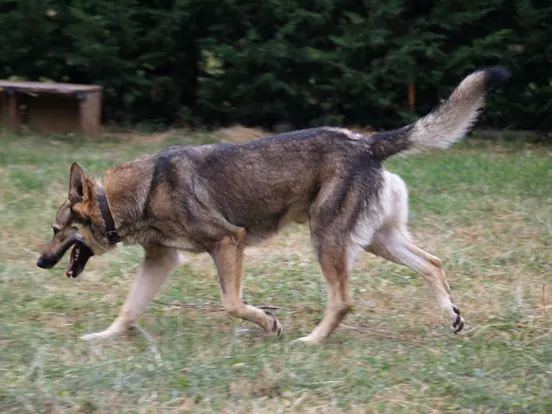
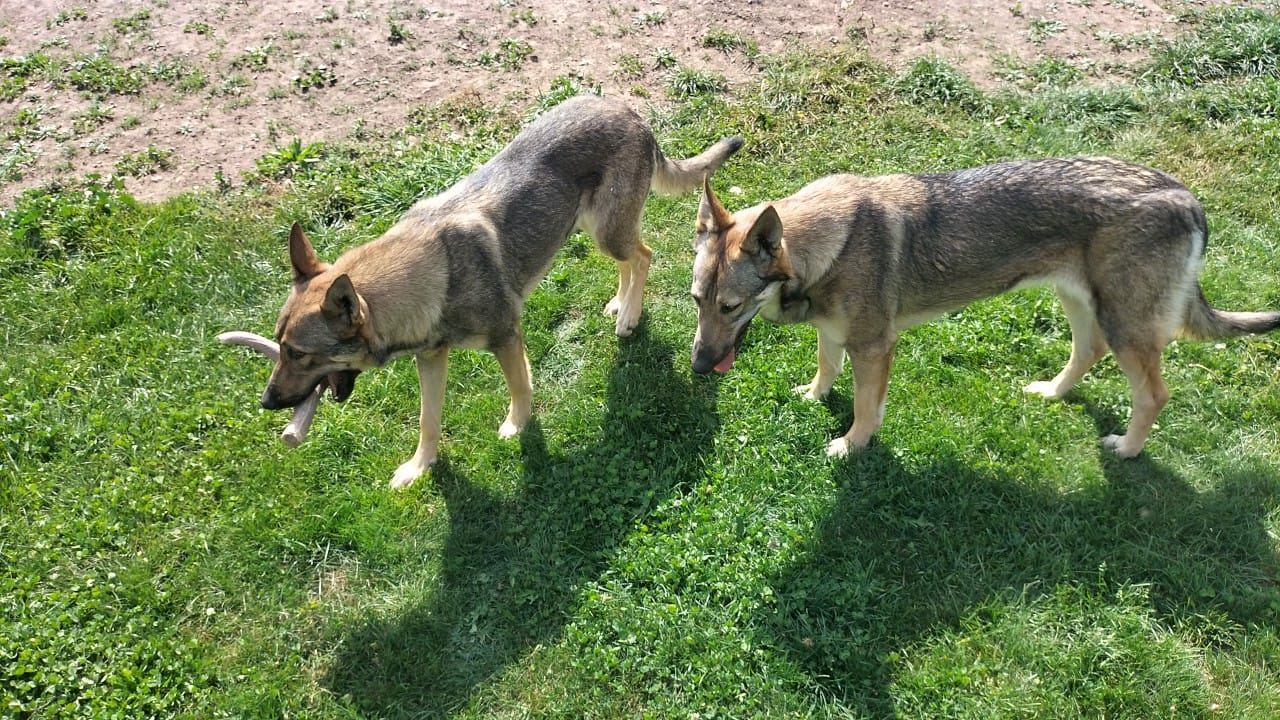
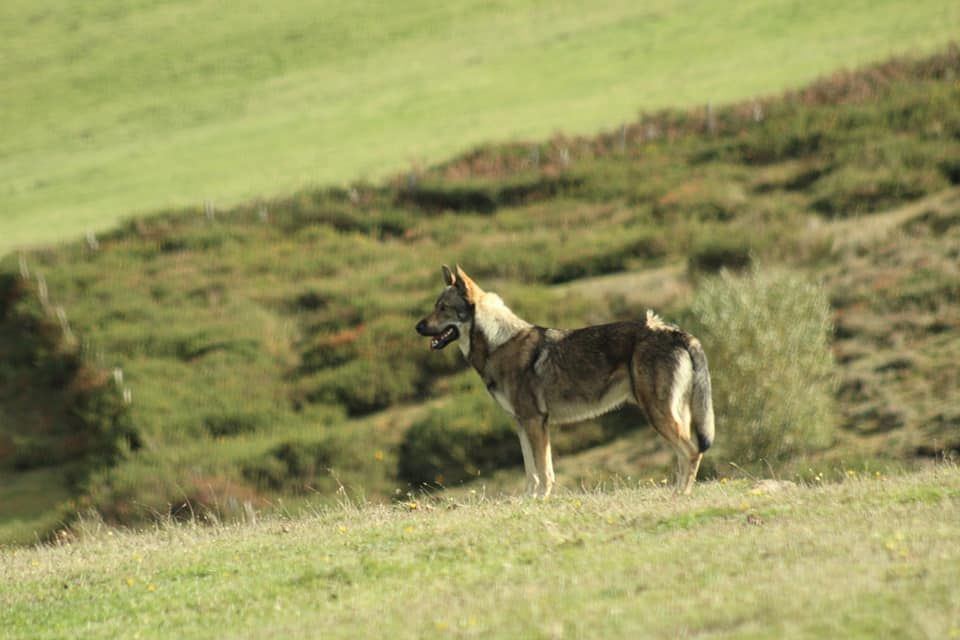
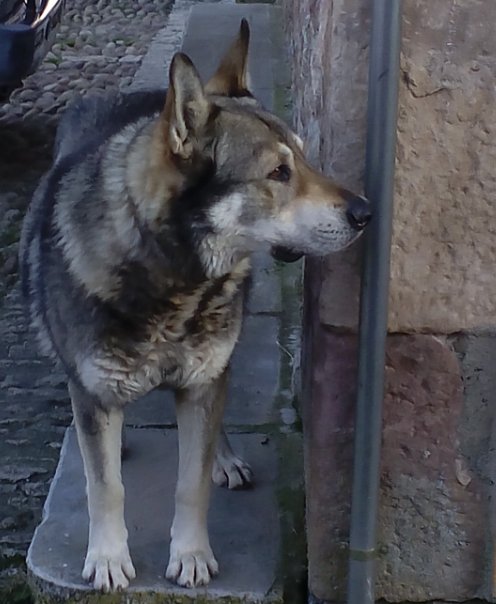
The Spanish Wolfdog —also known as Spanish Wolfhound— is a native Spanish canine population of rural origin. It is named for its wolf-like appearance and coat, not for any wolf ancestry: it is a fully domestic dog. Once widespread across the Iberian Peninsula, it came close to disappearing during the 20th century, leaving an ethnic core confined to the rural areas of Cantabria and now on its way to official recognition.
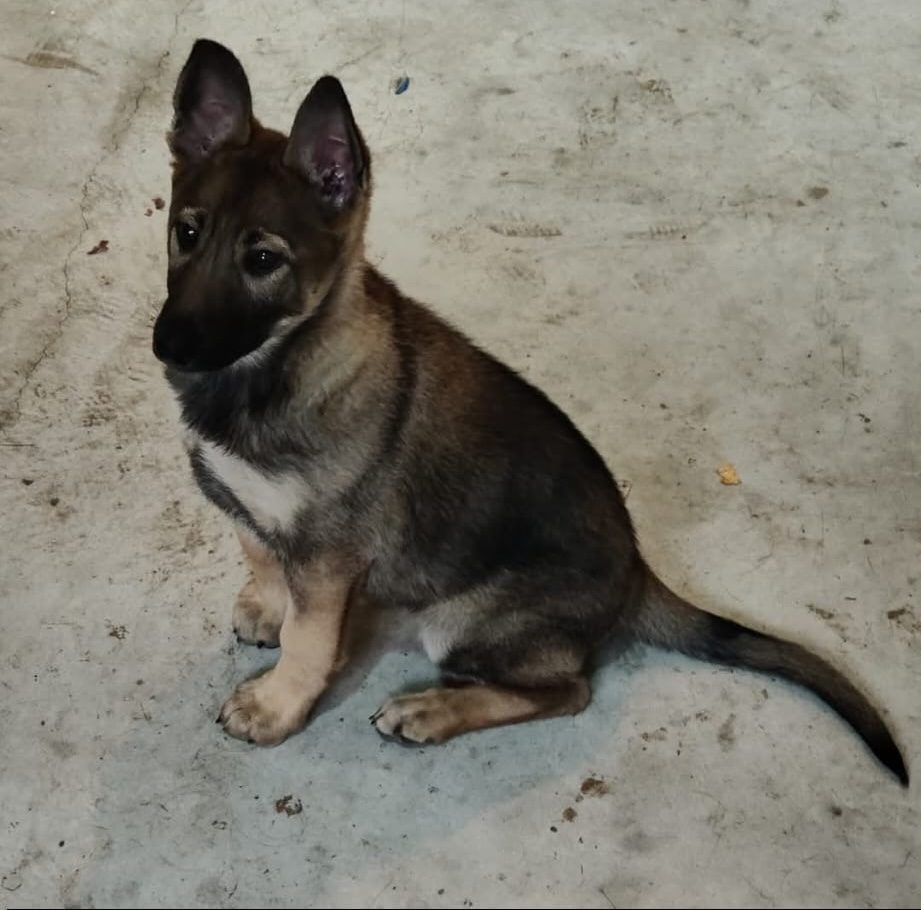
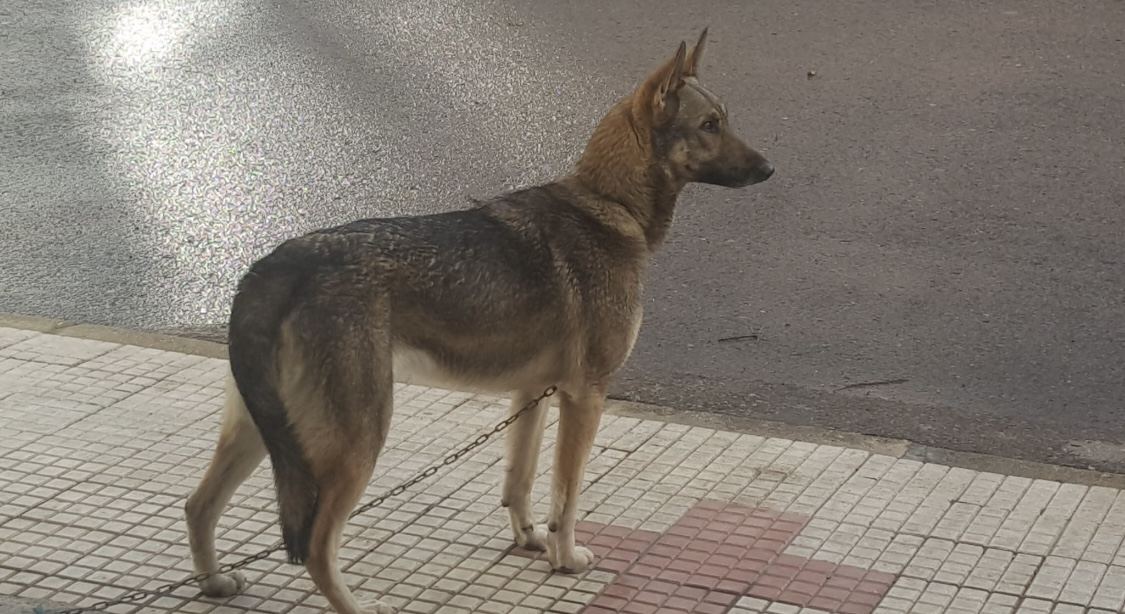
Discover the breedThe lobero, now officially named the Perro Lobo Español (PLE) —rendered in English as the Spanish Wolfdog, also known as the Spanish Wolfhound—, is not a breed in the modern sense of the word, but a traditional functional population, shaped by natural and human selection in the rural environment of the Iberian Peninsula. Its definition rests not on aesthetic uniformity but on functional coherence.
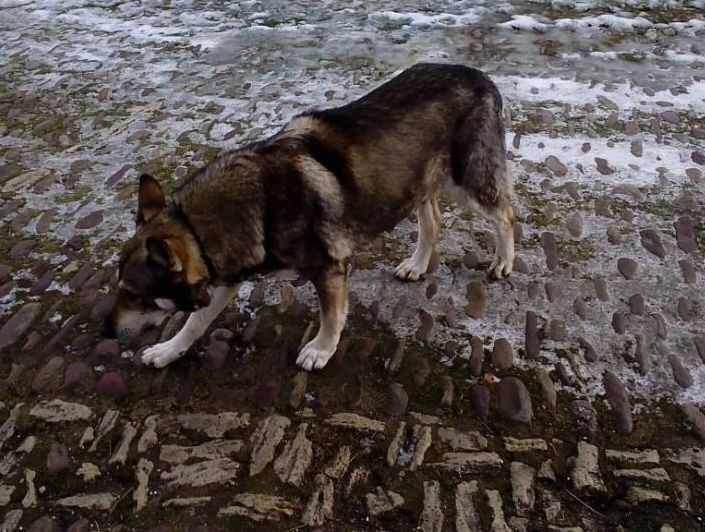
Its name —perro lobo (wolf dog) or lobero— is descriptive and cultural, not genetic. In rural speech, a perro lobo is one that, by appearance, bearing and behaviour, recalls the wolf without being one. It is a fully domestic dog that retains primitive traits which time and function never found reason to remove.
It was not created to please the eye, but to serve without question, to watch without rest. Hence its morphological sobriety, its reserved character and its strong bond to its territory and its owner.
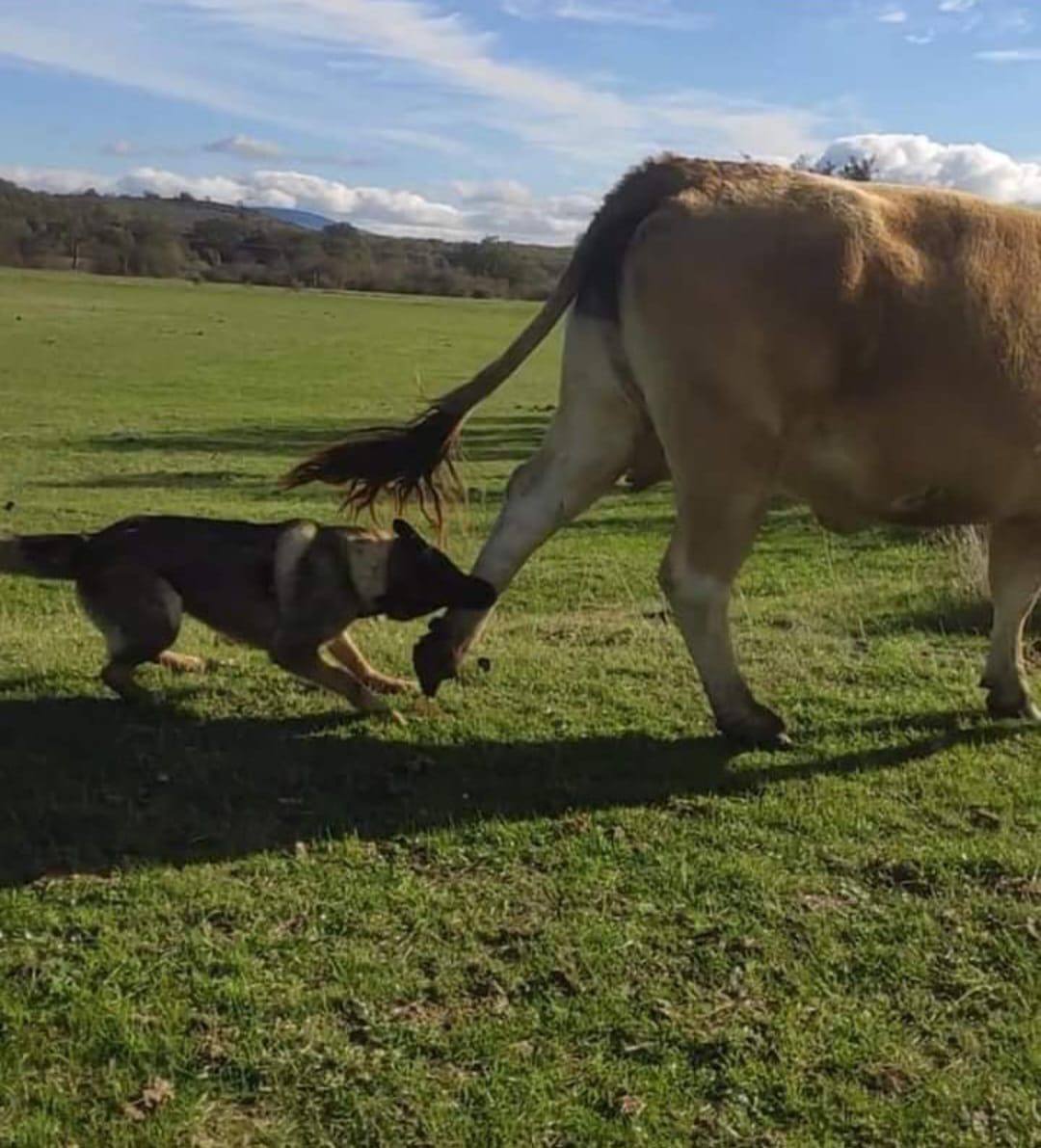
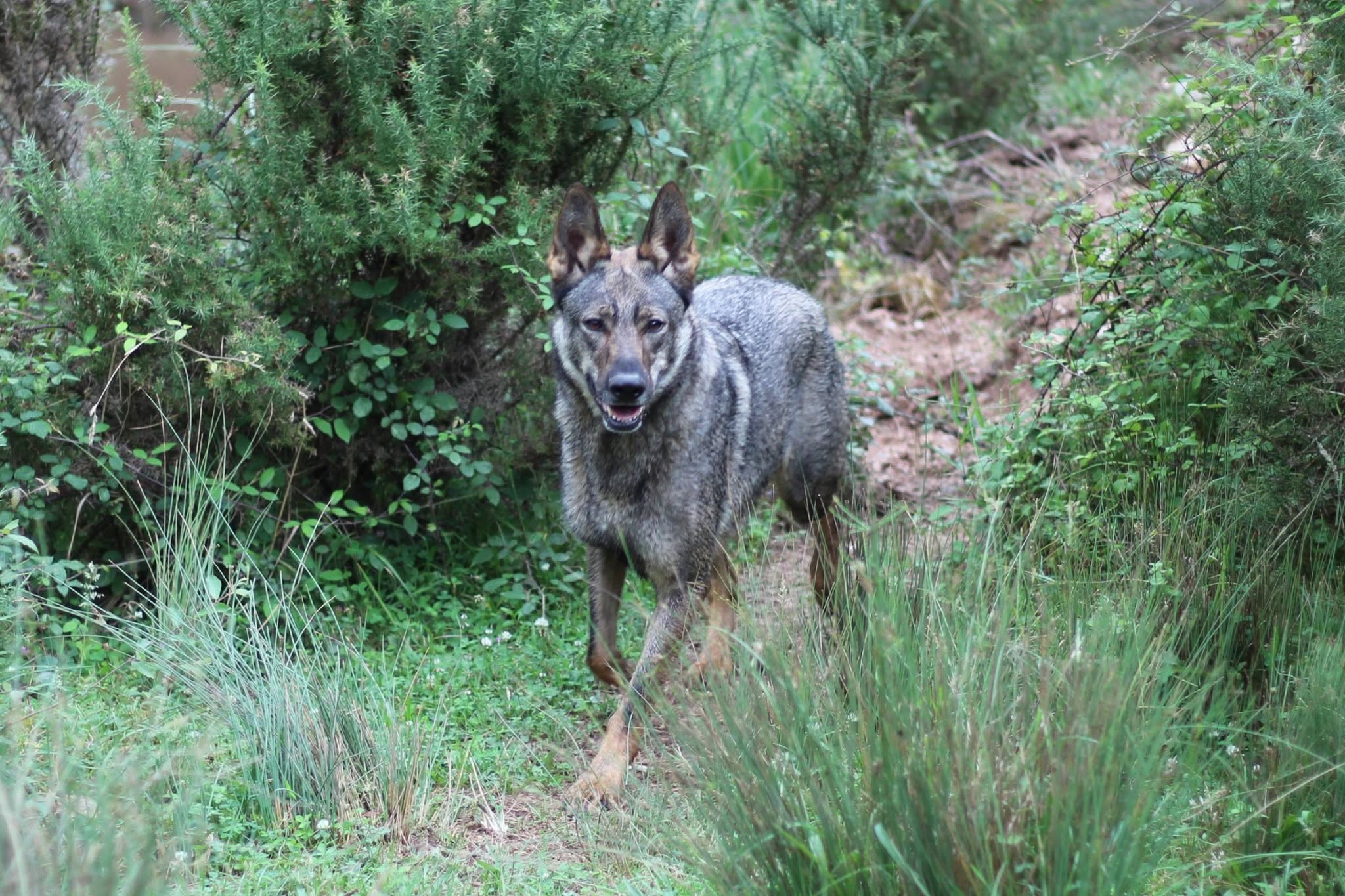
A Perro Lobo Español specimen · Association photograph
The history of the Spanish Wolfdog does not begin in a breed-standard book or a modern kennel club. It begins in the northern mountains, in chronicles, hunting treatises and records that bear witness to a centuries-old presence.
The earliest documented mentions date back to 1513, decades —even centuries— before the creation of the German Shepherd in 1899. This chronology is fundamental: the PLE does not derive from modern breeds, it predates them.
The genetic identity of the PLE has been analysed in three independent scientific investigations that together form a coherent and progressive body of evidence.
First formal genetic characterisation of the PLE. It establishes the scientific basis and confirms its differentiation from other breeds.
The PLE groups with Iberian lupoid dogs —Palleiro, Herreño— not with the German Shepherd. Genetic differentiation confirmed at large scale.
Independent confirmation from Portugal. The PLE fits within the Iberian continuum of rustic dogs and shares a cluster with part of the Carea Leonés.
According to the Villegas study (2017–2019), the PLE shows a genetic diversity (HEXP ≈ 0.705) higher than that of the German Shepherd (≈ 0.608) and the Czechoslovakian Wolfdog (≈ 0.526). Science confirms what history had already documented.


Hartu Adiestramiento Canino
Hartu Adiestramiento Canino II
The Association of Breeders of the Spanish Wolfdog was born with the intention of promoting, guiding, studying and defending the ethnic remnant of this canine that survives in the mountains of northern Spain, most especially in the southern part of Cantabria.
Among its missions: to preserve the breed and its genetic biodiversity, to maintain its functionality as a working dog, and to protect the Spanish Wolfdog against crossbreeding with modern breeds, safeguarding its racial specificity and its traditional function.
In the mountain areas and forest-transition zones, where property had to be protected without artificial means, the lobero became a necessity rather than a choice.
The lobero was not bred as a hobby, but out of necessity. The dog that failed its function disappeared without leaving offspring; the one that endured, watched and deterred, remained. Thus, with no breeding programmes or written standards, a recognisable canine type became fixed, passed down from generation to generation.
Join the community of breeders, researchers and lovers of the Spanish Wolfdog. Together we work for the recognition and preservation of this unique breed.